

🏭 APS Trading OOD
📍 Location: Botevgrad
👥 Employees: 172
📐 Area: 16 112 m²
🛠️ Production: Thermal printers
🌍 Ownership: France / Italy

📅 Q1 2025 – Completed Improvement Project
🎯 Goal: Reduce the production time for one module by 30%
📝 Problems:
- Lack of clarity regarding efficiency
- Lack of work diagrams
- Lack of clarity regarding production capacity
- Use of overtime to achieve targets
🔧 Tools Used: 5S, VSM, Time Study, Line Balancing, Layout Improvement, Standard Work Documents, etc.
📊 Result:
- Number of operators – reduced by 39%
- Product manufacturing time – reduced by 38%
- Labor cost per unit – reduced by 35%
📁 Presentations:
🖼️ Photo:
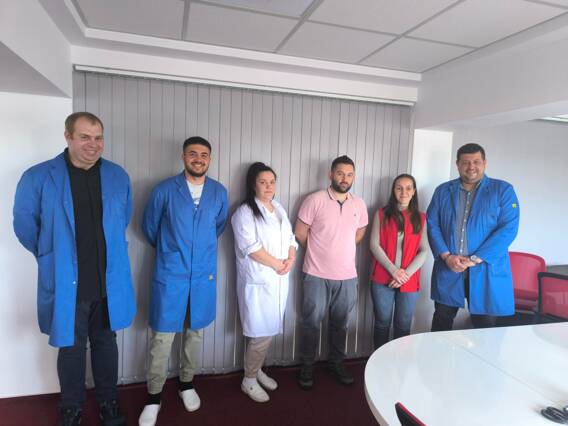
📅 Q2 2025 – Completed Improvement Project
🎯 Goal: Reduce material preparation time for production and optimize the packaging process.
📝 Problems:
- Production line delays due to materials not being issued
- Slow and poorly organized finished-product packaging process
- The packaging method for finished products is not clearly defined
- Crossing flows and long distances during packaging preparation
🔧 Tools Used: 🔄 ECRS, Time Study, Line Balancing, Standard Work, 5S, Layout Improvement.
📊 Result:
📁 Presentations:
🖼️ Photo:
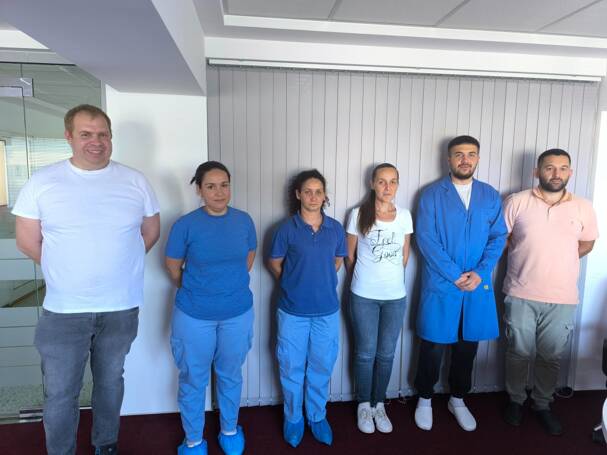
📅 Q3 2025 – Completed Improvement Project
🎯 Goal: Consolidate the TPH processes (CP2” and CP3”), reduce logistics losses between the ALFA and BRAVO buildings, optimize workstation layout and shorten the cycle from 37.5 s/unit to 30 s/unit (-20%).
📝 Problems:
- Manual inter-operation transfers between different buildings → additional time, waiting and hidden indirect labor costs.
- Lack of standardized flow and suboptimal workstation layout; lost production space (empty boxes/racks).
- Incomplete visual separation of good/scrap parts; outdated zoning
🔧 Tools Used:
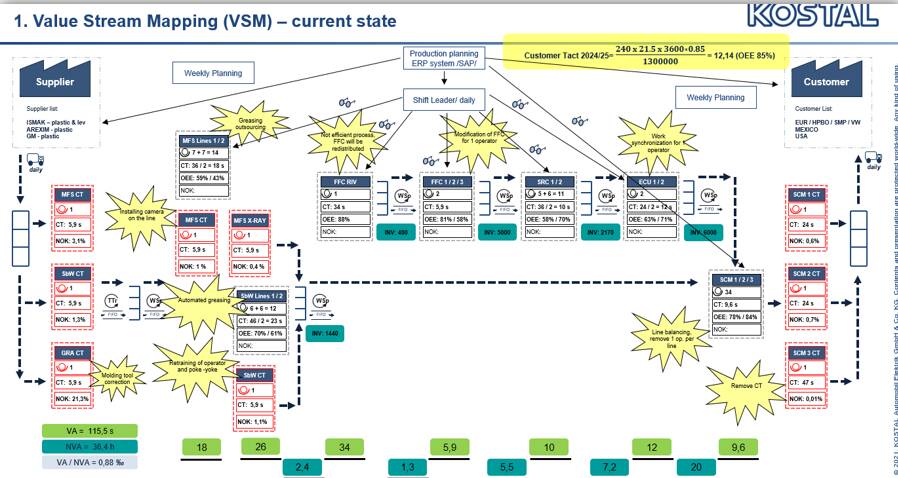
- Value Stream Mapping (VSM) for flow analysis and elimination of non-value-added steps.
- Layout optimization and cell manufacturing; consolidation of TPH CP2” and CP3” lines
- Standardization: SOP/Standard Work; visual management (markings, boards).
- 5S/6S and Kaizen (PDCA); initial and final 5S audit.
- Digitalization of the final test: automated one-button recording (saving ~3 s/module).
📊 Result:
- Cycle: 37.5 s → 26.7 s/unit (–28.8% versus baseline; the 30 s target was exceeded).
- Capacity: equivalent to +40%↑ output capability with the same resources (37.5/26.7 ≈ 1.40).
- Reduced internal transport and a more stable, visualized flow.
- 5S score significantly improved; a more organized and safer workplace.
📁 Presentations:
🖼️ Photo:
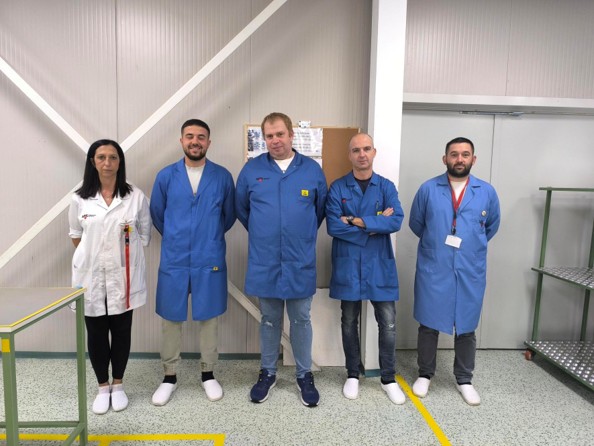
📅 Q4 2025 – Completed Improvement Project
🎯 Goal: Consolidate and build upon the improvements achieved throughout the year by stabilizing standards, improving the work environment and reinforcing Lean practices as part of everyday work.
📝 Problems:
- Risk of returning to old habits after completion of the Q1–Q3 projects
- Incomplete standardization and different levels of discipline across areas
- Need for stronger team engagement and sustainability of results
🔧 Tools Used:
- 5S and 5S audits
- Standard Work (SOP)
- Kaizen activities and PDCA
- Visual Management
- Training and active team participation
📊 Result:
- Results from previous quarters stabilized and sustained
- Improved organization and visual clarity of workplaces
- Higher level of engagement and process ownership
- Foundation prepared for further development in 2026
📁 Presentation: View PDF
🖼️ Photo:
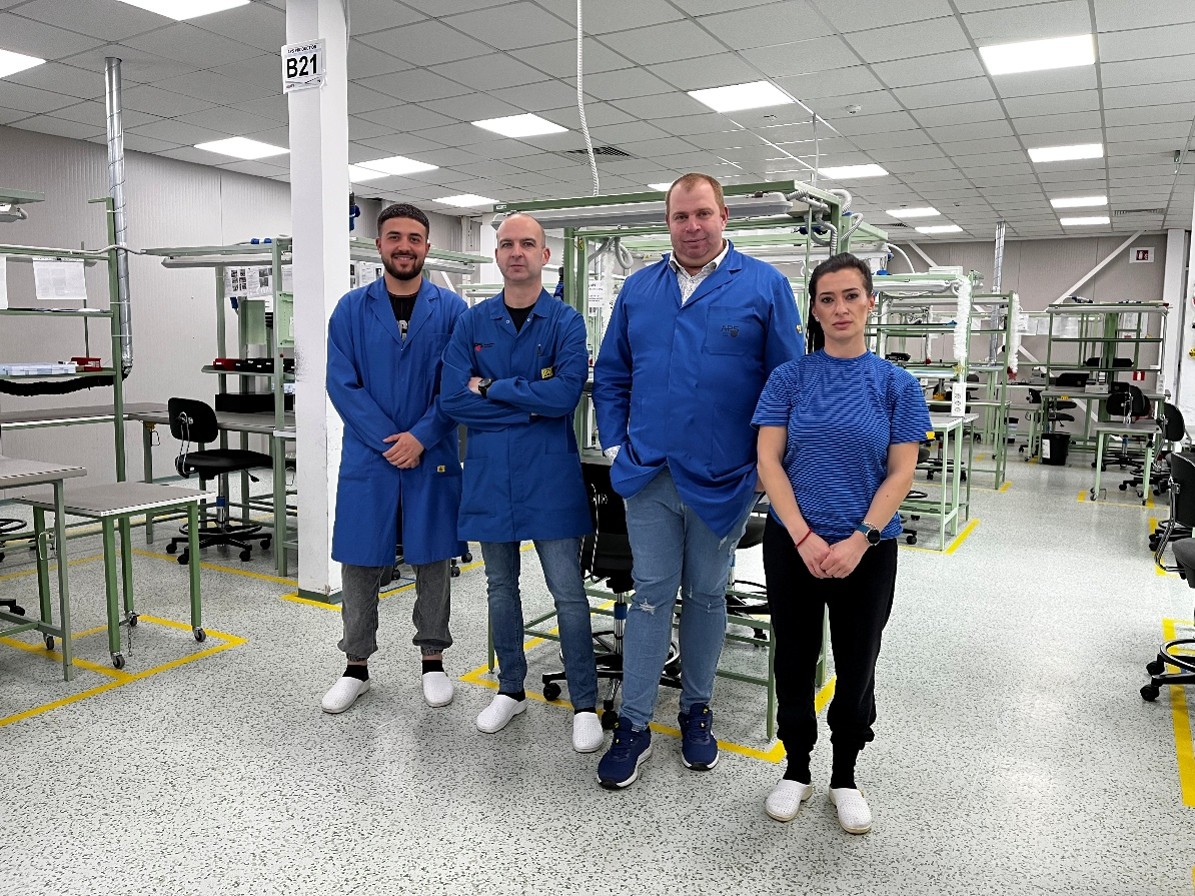
🔐 Contacts – Participants Only
🥈 Congratulations! APS Trading OOD ranked 2nd in Q1 2025
📜 View the Certificate and Share on LinkedIn🥉 Congratulations! APS Trading OOD ranked 3rd in Q2 2025
📜 View the Certificate and Share on LinkedIn🥉 Congratulations! APS Trading OOD ranked 3rd in Q3 2025
📜 View the Certificate and Share on LinkedIn🏭 Alcomet AD – Press Shop
📍 Location: Shumen
👥 Employees: 1322
📐 Area: 370 000 m²
🛠️ Production: Aluminium profiles and products
🌍 Ownership: Bulgaria

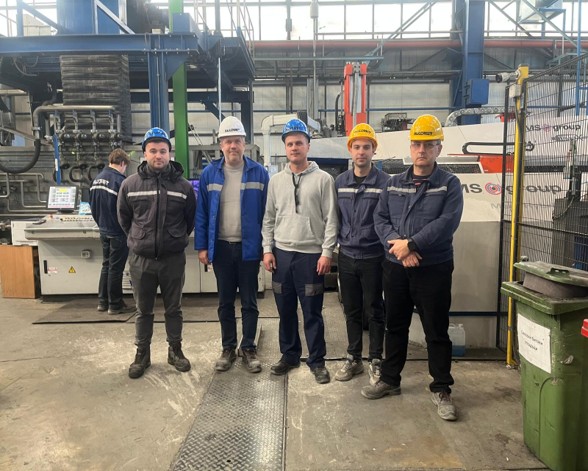
📅 Q1 2025 – Completed Improvement Project
🎯 Goal: Increase yield in the production of 6082 alloy profiles by optimizing the final cutting length
📝 Problems:
– Low yield on the 25 MN press
– Scrap being discarded without being recorded
– Lack of information about the final length used by the customer
– Uncontrolled accumulation of scrap
🔧 Tools Used: 5S, Kaizen, Root Cause Analysis, Genchi Genbutsu
📊 Result:
– Yield increased from 58% toward a target of 65.8%
– Savings of approximately 100 tons of aluminium material
– Operating cards introduced
– Savings of approximately BGN 711/month from the lubrication system
– Safer and cleaner area around the press
📁 Presentations:
🖼️ Photo:
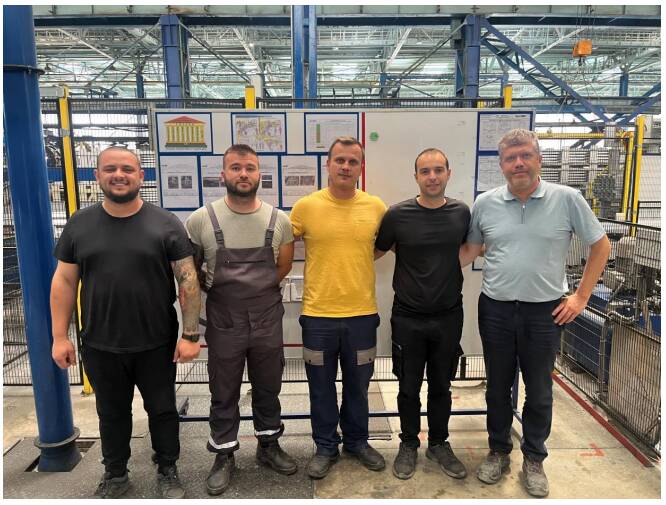
📅 Q2 2025 – Completed Improvement Project
🎯 Goal: Introduce Autonomous Maintenance in the area around the 25 MN press and achieve sustainable results through 5S, visual management and standardization.
📝 Problems:
- Frequent contamination and leaks
- Lack of standardized actions in case of failures
- Insufficiently visualized responsibilities and zones
🔧 Tools Used: Autonomous Maintenance (Steps 1–3), ECRS, 5S, visual standards, CILT cards, control checklists and training.
📊 Result:
- Cleaning and inspection standards introduced
- Scrap measured and analyzed before and after the project
- Visual indicators and maintenance responsibilities established
📁 Presentations:
🖼️ Photo:
📅 Q3 2025 – Completed Improvement Project
🎯 Goal: Expand the implementation of Autonomous Maintenance in the area around the 25 MN press — stretcher, final saw and all adjacent rollers. Achieve sustainable results through 5S, visual management and standardization.
📝 Problems:
- Increased scrap caused by defects in the cooling table and conveyor belts.
- Irregular replacement of rollers and belts on the cooling table.
- Lack of instructions and a schedule for regular maintenance.
- Inconsistent problem resolution between shifts due to a lack of standards.
🔧 Tools Used:
- 5S methodology (assessment and improvement of work areas).
- Autonomous Maintenance (AM) — initial implementation stages.
- One Point Lesson (OPL) — standardization of knowledge.
- Red & Blue Tag System — visual control of abnormalities and maintenance.
- Why–Why analysis for root cause identification.
- Visual Management – boards and instructions for condition monitoring. .
- Reduction of scrap caused by handling activities (data is still stabilizing, but the trend is positive).
- Instructions and visual standards for regular cleaning and inspection created and implemented.
- One Point Lesson (OPL) developed and personnel trained in proper execution of the activities.
- Improved 5S level — from 43 points before to 88 points after.
- Planned expansion of the maintenance and cleaning system to all areas of the 25 MN press.
- Scrap caused by handling and worn components along the cooling lines
- Lack of regular and standardized maintenance
- Defective profiles moving on to subsequent operations
- Additional losses of time, labor and energy
- Autonomous Maintenance – Steps 1, 2 and 3
- 5S – cleaning, visualization and standardization
- Red and blue tags for abnormalities and maintenance
- OPL (One Point Lessons)
- Standards and checklists for cleaning, inspection and control
- Regular audits and result tracking
- Reduction of handling-related scrap on the 25 MN press
- Improved basic condition of the equipment in 3 additional areas
- 5S score increased from 43 → 79 points
- Sustainable Autonomous Maintenance standards created and implemented
- Higher operator and team engagement
📊 Result:
📁 Presentations:
🖼️ Photo:
📅 Q4 2025 – Completed Improvement Project
🎯 Goal: Introduce Autonomous Maintenance (AM – Steps 1–3) and 5S in additional areas of the 25 MN press in the extrusion shop, with the aim of reducing handling-related scrap, improving the basic condition of the equipment and creating sustainable maintenance standards.
📝 Problems:
🔧 Tools Used:
📊 Result:
📁 Presentation: View PDF
🖼️ Team Photo:
🔐 Contacts – Participants Only
🏭 Alcomet AD – Automotive Shop
📍 Location: Shumen
👥 Employees: 1322
📐 Area: 370 000 m²
🛠️ Production: Aluminium profiles and products
🌍 Ownership: Bulgaria
📅 Q1 2025 – Completed Improvement Project
🎯 Goal: Improve the process of supplying the Automotive Shop with the required profiles and parts through better planning, visualization and synchronization between departments.
📝 Problems:
– Lack of rhythm and traceability in the flow
– Overloaded buffer areas and difficult access
– Delays and logistics losses
– Unclear communication between Presses, Logistics and Automotive
🔧 Tools Used: 5S, Kaizen, VSM, Genchi Genbutsu, Gantt Chart, Visual Schedules
📊 Result:
– Pallets reduced from 182 to 98 (−46.15%)
– Logistics capacity released and access improved
– Color-coded visual schedule introduced with day-by-day accuracy
📁 Presentations:
🖼️ Photo: Not available
📅 Q2 2025 – Completed Improvement Project
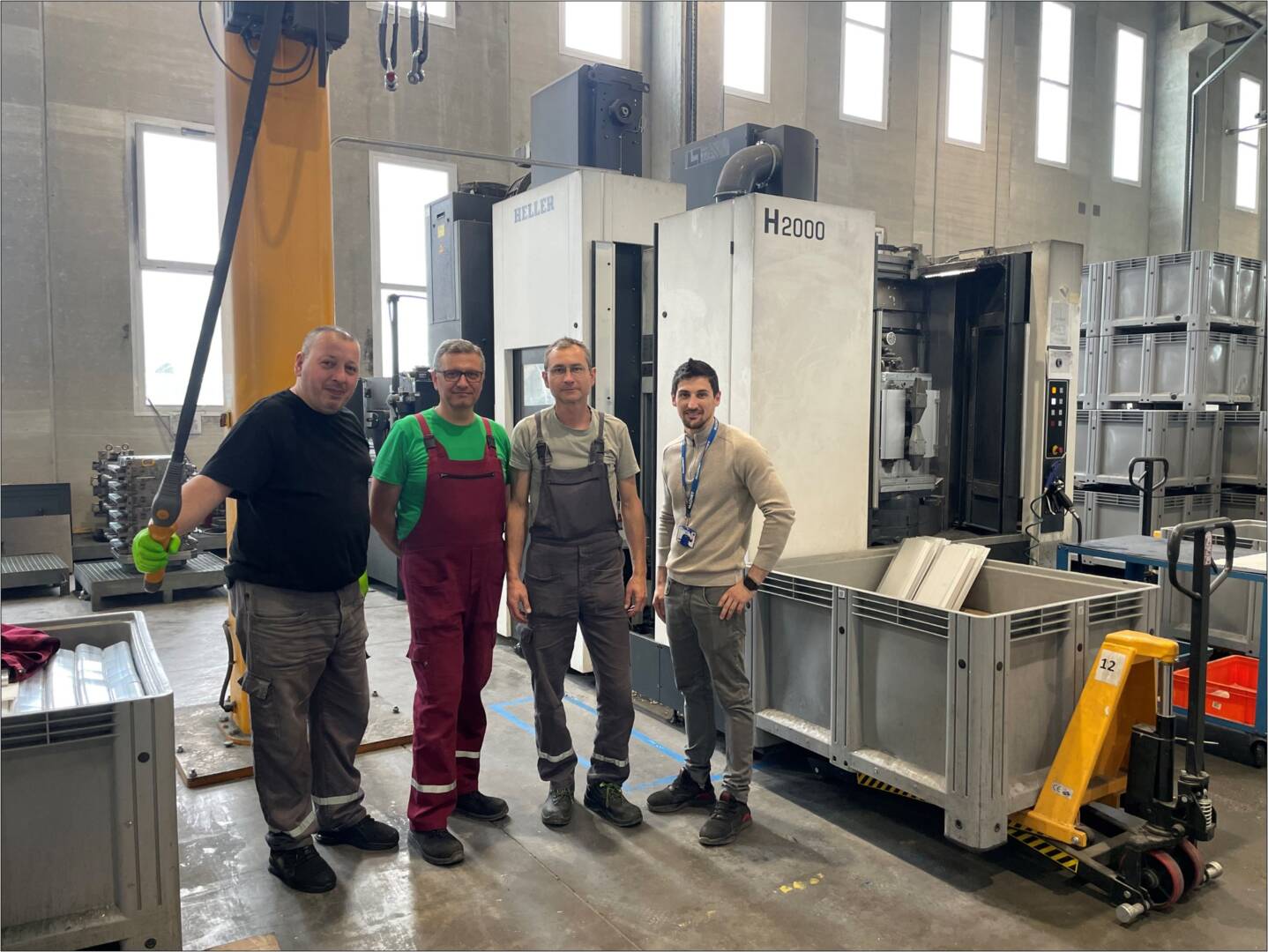
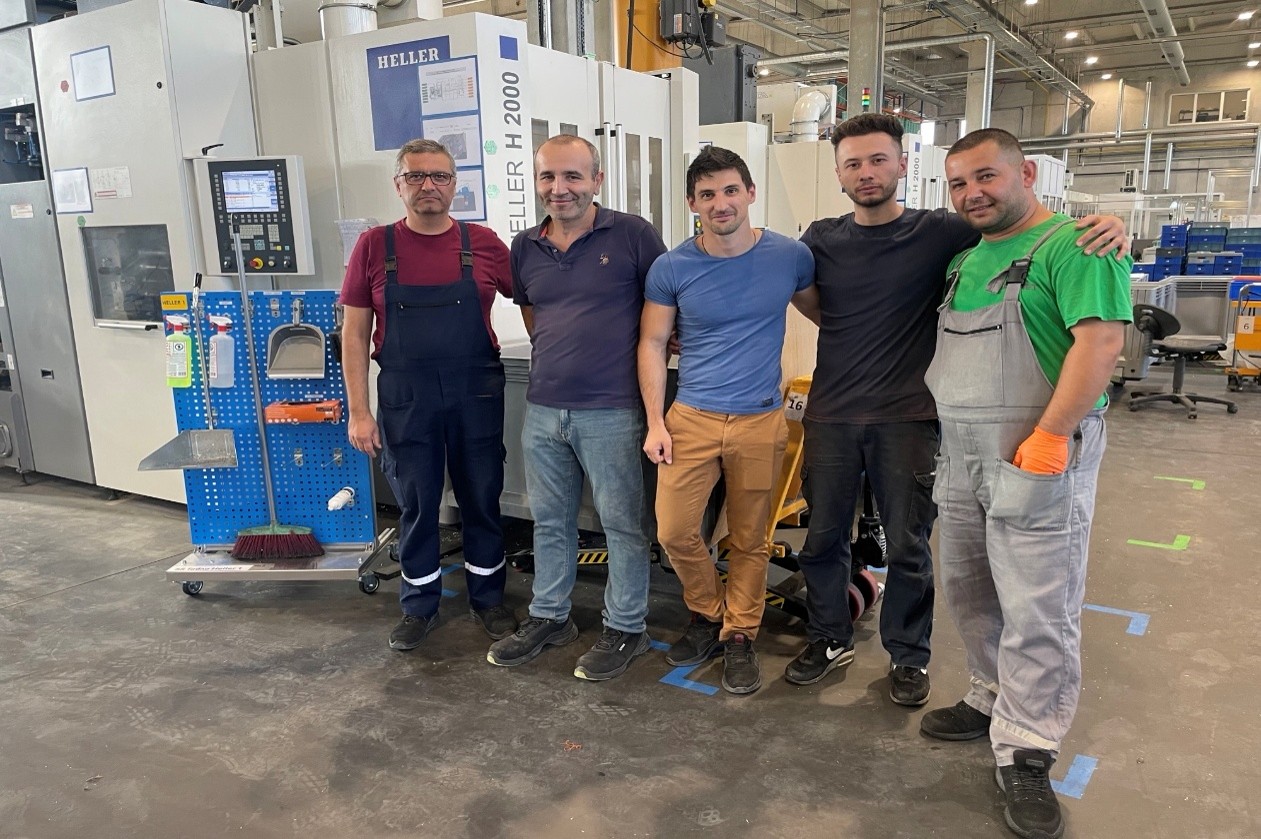
🎯 Goal: Introduce Autonomous Maintenance on the HELLER H2000 CNC machine – improve the basic condition and reduce downtime.
📝 Problems:
- Lack of regular maintenance and basic cleaning
- Frequent breakdowns and high repair costs
- Unclear responsibilities and lack of visual control
🔧 Tools Used: CILT standard for Autonomous Maintenance, 5S, visual marking, training, activity board, daily checklists.
📊 Result:
- Improved basic condition of the machine
- Higher operator engagement
- Visual control through a board and markings
📁 Presentations:
🖼️ Photo:
📅 Q3 2025 – Completed Improvement Project
🎯 Goal:
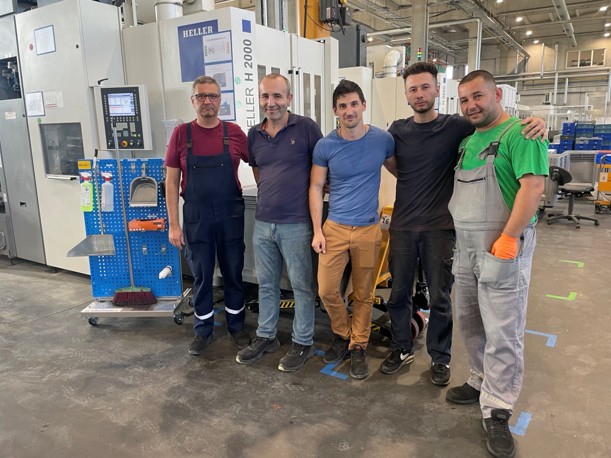
- Expand the implementation of Autonomous Maintenance to Heller 1 and Heller 2 following the successful implementation on Heller 3.
- Standardize good practices and achieve sustainable results through 5S, visual management and standardization.
- Ensure regular maintenance and reduce breakdowns in order to extend machine life and reduce repair costs.
📝 Problems:
- Lack of a culture of daily maintenance and a reactive approach when problems occur.
- Accumulation of contamination and leaks in critical areas of Heller 1 and Heller 2.
- Low 5S audit scores and lack of workplace standardization.
- Unclear operator roles and responsibilities in the maintenance process.
🔧 Tools Used:
- 5S – workplace organization and order.
- Autonomous Maintenance (AM) – implementation of the first steps of autonomous maintenance.
- Genchi Genbutsu – on-site verification and collection of real facts.
- Why–Why analysis – identification of root causes.
- Ishikawa diagram – visual analysis of the factors contributing to problems.
- Visual Management – boards and control cards for machine condition.
- 5S audits and visual before/after comparison to assess progress.
📊 Result:
- 5S audit score improved from 25 to 90 points.
- Shift from reactive to preventive maintenance on Heller 1 and Heller 2.
- Significant reduction in breakdowns and stabilization of production results.
- Higher operator engagement and a clear responsibility structure.
- Cleaning and inspection standards developed and implemented for areas under the machines and other hard-to-reach zones.
- Optimized layout around the Heller machines with improved visualization and order.
📁 Presentations:
🖼️ Photo:
📅 Q4 2025 – Completed Improvement Project
🎯 Goal: Introduce Autonomous Maintenance (AM – Steps 1–3) and 5S on the CNC machine Chiron DZ15W, with the aim of improving its basic condition, reducing the accumulation of aluminium chips and increasing operator engagement.
📝 Problems:
- Accumulation of aluminium chips in machine areas
- Lack of clearly defined cleaning and inspection standards
- Low operator engagement in maintenance
- Risk of defects, breakdowns and deterioration of basic condition
🔧 Tools Used:
- Autonomous Maintenance – Steps 1, 2 and 3
- 5S (cleaning, visualization, standards)
- Checklists for cleaning, inspection, lubrication and tightening
- Training and active operator participation
- Audits and result tracking
📊 Result:
- Significantly improved basic condition of the CNC machine
- Noticeable improvement in 5S audit results
- Clearly defined and sustainable maintenance standards
- Higher operator engagement and responsibility
📁 Presentation: View PDF
🖼️ Team Photo:
🔐 Contacts – Participants Only
🥈 Congratulations! Alcomet AD – Automotive Shop ranked 2nd in Q2 2025
📜 View the Certificate and Share on LinkedIn🥈 Congratulations! Alcomet AD – Automotive Shop ranked 2nd in Lean Champions – Q4 2025
📜 View the Certificate and Share on LinkedIn🏭 LEM Bulgaria EOOD
📍 Location: 8 Iliensko Shose St., 1220 Sofia
👥 Employees: 300
📐 Area: 4500 m²
🛠️ Production: Sensors for measuring electrical parameters
🌍 Ownership: Switzerland
🔗 lem.com

📅 Q1 2025 – Completed Improvement Project
🎯 Goal: Increase equipment availability through the implementation of Autonomous Maintenance. Pilot line – SSVT.
📝 Problems: Reduced equipment availability on the SSVT line, which was 92.39% for the period April–December 2024.
🔧 Tools Used: 5S and Autonomous Maintenance tools (Steps 1–3), including tagging, CILT (Cleaning, Inspection, Lubrication, Tightening) standards, visual octagons and others.
📊 Result: Equipment availability increased by more than 3% following the implementation of Autonomous Maintenance, and 20% of the predefined 2025 Autonomous Maintenance implementation plan was completed.
📁 Presentations:
🖼️ Photo:
📅 Q2 2025 – Partially Completed Project
🎯 Goal: Execute the annual Autonomous Maintenance plan and improve 5S conditions in the maintenance workshop.
📝 Problems: Time lost searching for required tools and machines, underutilized space, and a large number of items accumulated over the years.
🔧 Tools Used: Tools related to the implementation of 5S and Autonomous Maintenance.
📊 Result: The team did not participate in the Q2 meeting, and the results will be presented at the Q3 meeting.
📁 Presentation: No presentation is available for Q2.
🖼️ Photo: The team will be changed in Q3; no current photo is available.
📅 Q3 2025 – Completed Improvement Project
🎯 Goal:
- Implement Autonomous Maintenance (Steps 1–3) in the area around the HC5FW line.
- Improve process stability and efficiency through 5S, Visual Management and CILT standards.
- Engage operators in routine equipment care and build a culture of responsibility.
- Frequent micro-stoppages and unplanned downtime on the HC5FW line.
- Lack of operator involvement in daily maintenance.
- Low 5S scores and lack of standardization in the area around the machines.
- Lack of clearly defined responsibilities between operators and maintenance.
- Autonomous Maintenance (AM) – implementation of Steps 1–3.
- 5S – workplace organization and order.
- 5 Why Analysis – identifying the root causes of micro-stoppages.
- Genchi Genbutsu – on-site observation and analysis.
- Visual Management – markings, labels and control boards.
- CILT instructions – standardization of cleaning, inspection, lubrication and tightening.
- 5S audit score improved from 88 to 95 points.
- CILT instructions and visual controls implemented in the HC5FW area.
- Reduction in micro-stoppages and improved process stability.
- Higher operator engagement and a stronger culture of responsibility.
- Expansion of Autonomous Maintenance to the remaining lines planned.
📝 Problems:
🔧 Tools Used:
📊 Result:
📁 Presentations:
🖼️ Photo: No team photo was provided.
📅 Q4 2025 – Completed Improvement Project
🎯 Goal: Optimize the production layout of the LFxx10 line through 5S and Kaizen, with the aim of freeing up 95 m² of production space, reducing internal logistics costs and preparing for new product transfers during 2025–2026.
📝 Problems:
- Insufficient production space for new equipment
- Excessive space occupied by old layouts and inefficient Kanban areas
- Long internal transport and subassembly supply distances
- High work-order preparation time in the warehouse
🔧 Tools Used:
- 5S and Kaizen event (Q4 2025)
- Value Stream Mapping (VSM)
- Layout optimization and cellular manufacturing
- Internal Kanban and 2-bin system
- Heijunka (planning and leveling)
- Standardization and Visual Management
📊 Result:
- ~95 m² of production space freed up
- Walking distance reduced from 28.5 m → 2.5 m
- WO preparation time reduced by ~21.5%
- Equivalent to 10.66% + 21.55% FTE optimization
- Annual savings > BGN 37,500
- 5S audit: 42% → 87%
📁 Presentation: View PDF
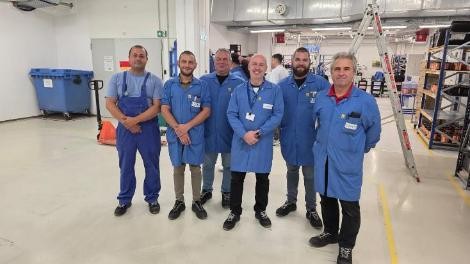
🖼️ Team Photo:
🔐 Contacts – Participants Only
🥉 Congratulations! LEM Bulgaria EOOD ranked 3rd in Q1 2025
📜 View the Certificate and Share on LinkedIn🏭 Kostal Bulgaria Automotive EOOD
📍 Location: Pazardzhik
👥 Employees: 1443
📐 Area: 26,000 m²
🛠️ Production: Electronic and mechatronic components for the automotive industry
🌍 Ownership: International – KOSTAL Group

📅 Q1 2025 – Completed Improvement Project
🎯 Goal 1 (VW MEB G2): Increase line productivity and efficiency by balancing the assembly stations.
📊 Results:
– Productivity: from 15.6 to 17.4 pcs./man-hour (+10%)
– Efficiency: from 89.7% to 99.8%
– Activities included: Operator analysis, workstation balancing, standardization
🎯 Goal 2 (VW MLBevo): Improve 5S conditions and reduce defects
📊 Results:
– Initial and final 5S audits conducted
– Improvements in workplace organization and visualization
– Increased team engagement
📁 Presentations:
🖼️ Photo: 🔄 Not available
📅 Q2 2025 – Completed Improvement Project
🎯 Goal: Reduce the percentage of rejected modules at the illumination calibration station on the VW MEB G2 line.
📝 Problems:
– Deviations caused by poor-quality incoming material from a supplier
– 3% rejected modules at final testing, resulting in 1,662 pcs. of scrap per month (~BGN 5,989)
– Additional rework time: 37 sec. per module
🔧 Tools Used:
Trend analysis, root cause analysis, control charts, standardization, 5S audits, visualizations, Genchi Genbutsu, action planning
📊 Result:
– Reduced number of defective modules
– Improved workplace organization and cleanliness
– Increased team engagement
– Final 5S audit: 100 points (initial audit – 98 points)
– Specific actions defined to sustainably maintain the new standards
📁 Presentations:
🖼️ Photo:
📅 Q3 2025 – Completed Improvement Project
🎯 Goal: Reduce the cost of storing additional packaging in an external packaging warehouse.
📝 Problems:
- According to the contract, each additional pallet above the defined maximum of 5,000 pallets is charged separately.
- Accumulation of pallets above the permitted maximum of 5,000. Each additional pallet is charged per day. The project started with 8,500 pallets, resulting in additional daily storage costs for 3,500 pallets.
🔧 Tools Used: Inventory planning concept based on average monthly customer orders, Pareto analysis, Ishikawa, hypothesis analysis.
📊 Result:
- Storage costs reduced by **€345,401**.
- Pallets in the external warehouse reduced from 8,500 to 5,000 units (standard limit achieved).
- Improved organization and traceability of customer packaging.
- 5S level of 99 to 100 points achieved and sustained through standardization.
- High team engagement and integration of the Kaizen culture into logistics flow management.
📁 Presentations:
🖼️ Photo: No team photo was provided.
📅 Q4 2025 – Completed Improvement Project
🎯 Goal: Automate low-automation internal logistics activities (3PL / intralogistics) and optimize labor costs through the introduction of automated transport (AGV/AIV) and a Milk-Run concept serving Halls 1–5.
📝 Problems:
- Low level of automation in internal logistics movements (manual/partially manual operations)
- High workload and labor costs for servicing the material flow
- Inefficient routes/cycles and variations in time and workload due to the lack of a standardized Milk-Run
- Need for clear data (PFEP) and capacity calculations to select the appropriate equipment
🔧 Tools Used:
- DMAIC & SIPOC (Lean Six Sigma) – structuring the problem and analysis
- PFEP (Plan for Every Part) – calculations for all halls (1–5)
- Milk-Run calculations – cycle time, capacity, workload and required number of AGVs
- Test calculations for Hall 5 + definition of equipment requirements
- Collection and comparison of quotations (AGV/AIV suppliers)
- 5S audits and area improvement (MFA DAI)
📊 Result:
- PFEP and Milk-Run calculations completed as a basis for decision-making and investment (Halls 1–5)
- Technical requirements defined and AGV/AIV supplier shortlist prepared
- Implementation and results-control plan established – target implementation: 06.2026
- 5S improvement: first audit 96% → second audit 100% (MFA DAI area)
📁 Presentation: Kostal – Lean Champions Q4 2025 (PDF)
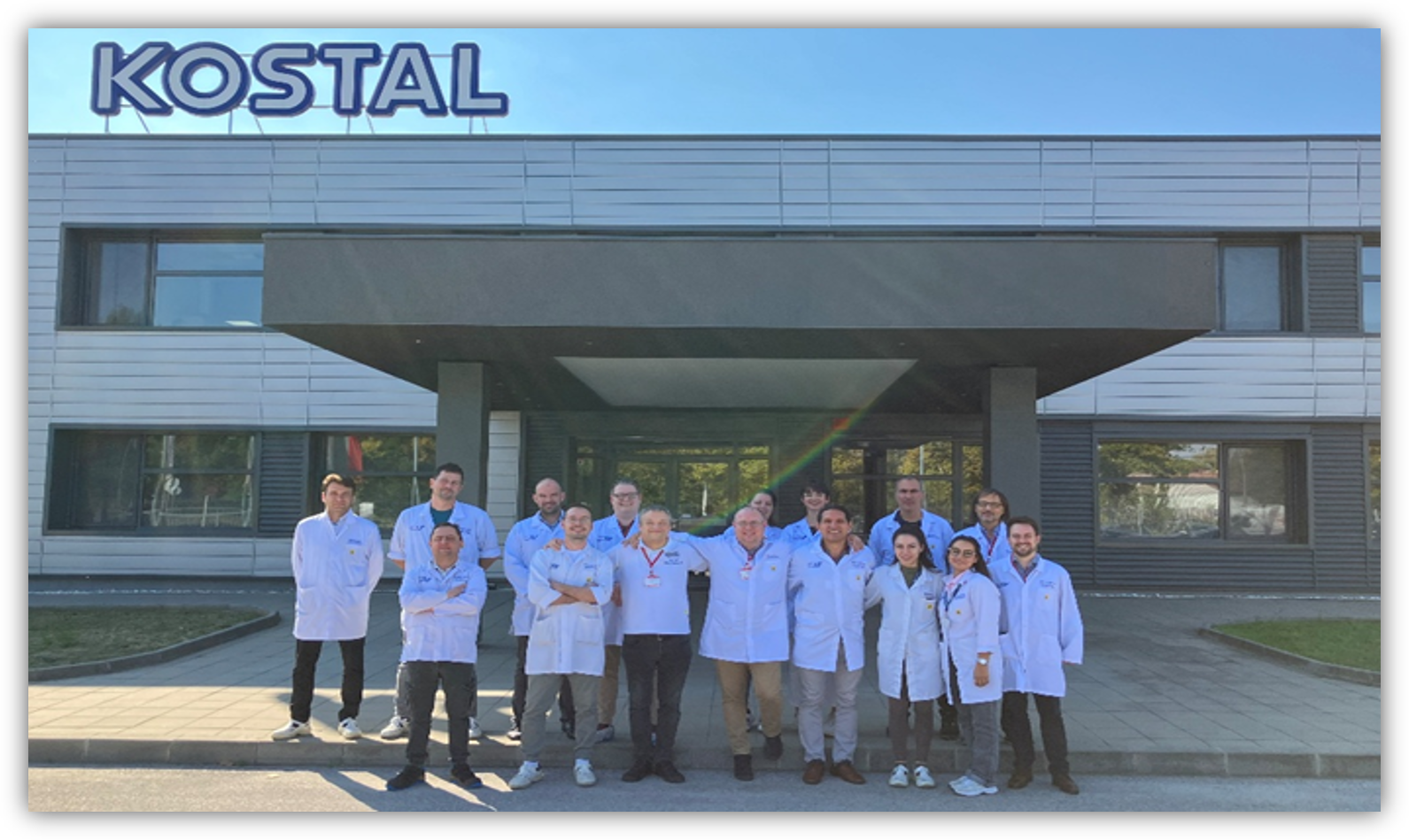
🖼️ Team Photo:
🔐 Contacts – Participants Only
🥇 Congratulations! Kostal Bulgaria Automotive EOOD ranked 1st in Q1 2025
📜 View the Certificate and Share on LinkedIn🥇 Congratulations! Kostal Bulgaria Automotive EOOD ranked 1st in Q2 2025
📜 View the Q2 Certificate and Share on LinkedIn🥉 Congratulations! Kostal Bulgaria Automotive EOOD ranked 3rd in Q3 2025
📜 View the Certificate and Share on LinkedIn🥇 Congratulations! Kostal Bulgaria Automotive EOOD ranked 1st in Q4 2025
📜 View the Q4 Certificate and Share on LinkedIn🏭 Linamar Light Metals Ruse EOOD
📍 Location: Industrial Zone, 1 Tegra St., 7000 Ruse
👥 Employees: 780
📐 Area: 30,000 m²
🛠️ Production: Aluminum components for the automotive industry – including casting, machining and assembly
🌍 Ownership: Canada

📅 Q1 2025 – Completed Improvement Project
🎯 Goal: Restore Autonomous Maintenance and increase the efficiency of the FA7 core-making machine
📝 Problems: Following organizational changes in the company, equipment efficiency declined and deviations from good Lean practices were observed. At the beginning of the project, machine efficiency had fallen to 44%.
🔧 Tools Used: 5S, Kaizen, Genchi Genbutsu, Root Cause Analysis, restoration of the CILT standard
📊 Result: The Autonomous Maintenance structure was restored, machine abnormalities were eliminated (broken fence, missing covers and coupling, etc.), and operator efficiency and engagement increased. 5S score: from 68 points (initial) to 85 points (final audit).
📁 Presentations:
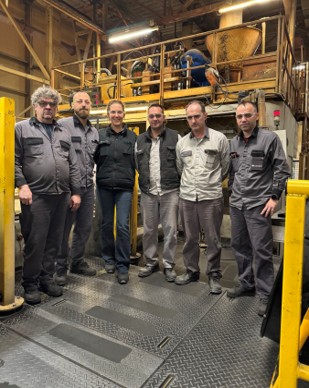
🖼️ Photo:
📅 Q2 2025 – Completed Improvement Project
🎯 Goal: Restore Autonomous Maintenance and increase the efficiency of the FA4 core-making machine
📝 Problems: Declining efficiency, deviations from standards and machine-related issues – missing components, accumulated dust and chips, and disorganized tools
🔧 Tools Used: 5S, Root Cause Analysis, CILT standard, Autonomous Maintenance audits and training
📊 Result: Increased efficiency, cleaned and visually standardized area, 5S score improved from 70 to 88 points, and a stronger culture of equipment care was established
📁 Presentations:
🖼️ Photo:
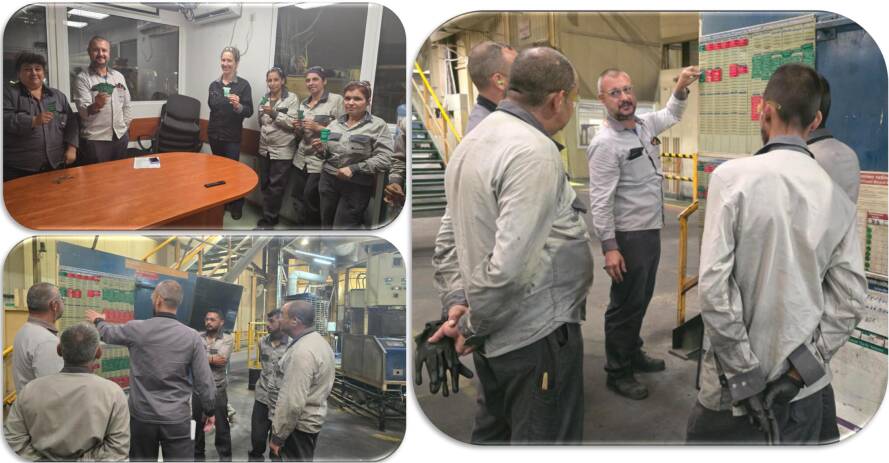
📅 Q3 2025 – Completed Improvement Project
🎯 Goal:
- Increase efficiency and stability in the core-making area at Linamar Light Metals Ruse.
- Restore and further develop Autonomous Maintenance (AM) at operator and maintenance department level.
- Integrate newly hired foreign operators and train them in Lean standards.
- Introduce a digital system for tracking efficiency, downtime and scrap.
- Reduced efficiency in the core-making area associated with workforce turnover.
- Accumulation of equipment abnormalities due to incomplete implementation of Autonomous Maintenance.
- Lack of digital control and transparency regarding downtime and scrapped parts.
- Need to integrate and train foreign workers to ensure compliance with standards.
- Autonomous Maintenance (AM) – restoration of the steps and maintenance T-cards.
- 5S – improving organization and visual control in the area.
- 5 Why Analysis – identifying the causes of reduced efficiency.
- Digital monitoring system – tracking efficiency, downtime and scrap.
- Standardization through updated T-cards and visual instructions.
- 5S score improved from 72 to 82 points.
- T-cards updated and implemented for all mechatronics technicians.
- Foreign operators integrated and trained – improving adaptation and sustainability.
- A digital system for recording downtime and scrap was introduced, replacing 13,500 paper sheets per year.
- Increased transparency, motivation and team efficiency in the core-making area.
📝 Problems:
🔧 Tools Used:
📊 Result:
📁 Presentations:
🖼️ Photo:
📅 Q4 2025 – Completed Improvement Project
🎯 Goal: Increase the efficiency of the Coring Department (Linamar Light Metals Ruse) through better resource control and a more stable production process. Target: 55% efficiency (baseline 45%) → achieved: 55%.
📝 Problems:
- Resource tracking relies solely on manual data entry by operators.
- High risk of errors (human factor) and potential for manipulation/subjectivity.
- Lack of real-time data → more difficult and slower decision-making.
- Limited process transparency and traceability.
🔧 Tools Used:
- Lean practices for process stabilization and control of key indicators.
- Plan for restoring/renewing Autonomous Maintenance (AM).
- Digitalization and improved reporting (more objective data, fewer errors).
- Standardization: updating documents/forms (downtime control, scrap, operation sheets).
- Restoration of T-cards for maintenance and the L1 communication board for operator-reported issues.
📊 Result:
- Q4 Efficiency: 41% → 55% (+14%), reaching the 55% target.
- Q4 Savings: People: -2 operators ≈ €5,997.
- Q4 Savings: Quality ≈ €295,943.
- More stable process due to improved workforce stability and renewed AM activities.
📁 Presentation: View PDF
🖼️ Team Photo:
🔐 Contacts – Participants Only
🥇 Congratulations! Linamar Light Metals Ruse EOOD ranked 1st in Q2 2025
📜 View the Certificate and Share on LinkedIn🥇 Congratulations! Linamar Light Metals Ruse EOOD ranked 1st in Q3 2025
📜 View the Certificate and Share on LinkedIn🏭 TVH BULGARIA EOOD
📍 Location: Sveti Spiridon St., 7009 Ruse
👥 Employees: 35
📐 Area: 6,200 m²
🛠️ Business: Trade and repair of material handling and industrial equipment
🌍 Ownership: International – TVH
🔗 tvh.com

📅 Q1 2025 – Completed Improvement Project
🎯 Goal: Implement the 5S methodology and improve material flow in the Kits Department
📝 Problems: Low productivity and inefficient layout – time is lost searching for tools and materials. Uneven workload. Lack of space.
🔧 Tools Used: 5S, Kaizen, Genchi Genbutsu, Root Cause Analysis (5 Why), Pareto Analysis
📊 Result: Annual production increase: +5.4% (5,676 additional units assembled). Initial 5S audit: 10 points → Final audit: 81 points. Restored order, visual management and standard work.
📁 Presentations:
🖼️ Photo:
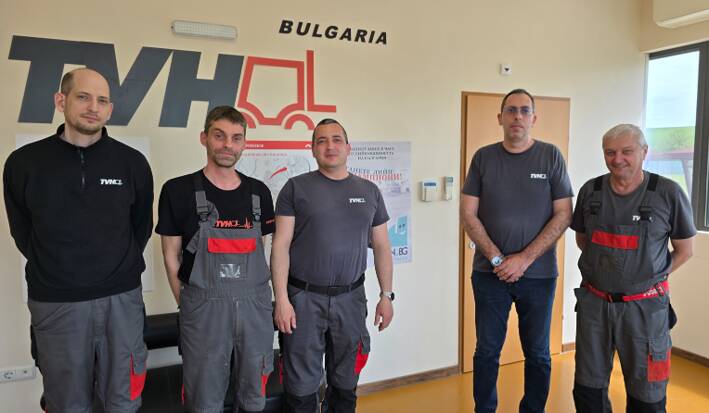
📅 Q2 2025 – Completed Improvement Project
🎯 Goal: Implement the 5S methodology and optimize the value-added flow in the Electric Motors unit.
📝 Problems: High lead time (696 h), low personal engagement, repeated purchasing of tools, large buffers, low VA ratio (2.87%), mixing of clean and dirty components.
🔧 Tools Used: 5S, Swim Lane, Genchi Genbutsu, Root Cause Analysis (5 Why), Project Plan, Kaizen, Standardization.
📊 Result:
- Lead time: 696 h → 528 h
- VA %: 2.87% → 3.79%
- Buffer storage area: 30 m² → 18 m²
- Productivity: 3 units/day → 4 units/day
- 5S audit: 27 points → 97 points
📁 Presentations:
🖼️ Photo:
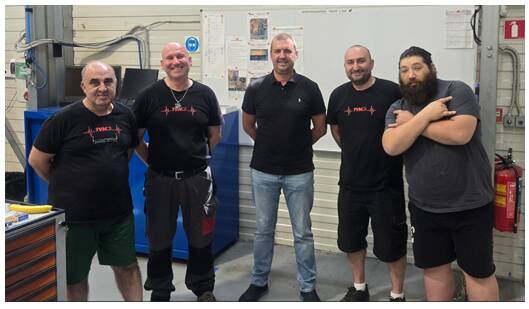
📅 Q3 2025 – Completed Improvement Project
🎯 Goal:
- Implement 5S and Lean principles in the Cylinders unit.
- Optimize the value-added flow and eliminate inefficient activities.
- Achieve the productivity and sustainable production targets for 2025.
- Increase team engagement through Lean thinking and continuous improvement.
- Unbalanced production and low efficiency in the Cylinders unit.
- Lack of organization and disorder in the cylinder refurbishment areas.
- High costs related to buffer areas and unnecessary internal transportation.
- Loss of components and difficulties with process traceability.
- 5S – organization, order and visual control of work areas.
- Kaizen – continuous improvement of flows and working methods.
- Genchi Genbutsu – observation and analysis of actual process conditions.
- Value Stream Mapping – mapping the value-added flow.
- Pull System – pull production for optimal balance and flexibility.
- 5S audit score improved from 50 to 97 points.
- Productivity increased by 10% for Q1–Q3 2025 compared with 2024.
- Pull production established and buffer areas reduced.
- Improved workload balance and reduced internal transportation.
- Increased motivation and a stronger culture of Lean thinking in the Cylinders unit.
- Large quantity of components ordered but not used in production
- Lack of clarity regarding what is available in stock and in what quantities
- Disorganization and disorder in buffer component areas
- Inefficient warehouse processes and flows
- Additional costs and loss of capacity
- 5S and Kaizen
- Full inventory and financial assessment
- Genchi Genbutsu
- Root Cause Analysis (5 Why)
- Standardization and Visual Management
- Inventory registration and control through the ERP system
- Future cost avoidance of €50,000
- Warehouse space reduced by 50% (from 64 m² to 32 m²)
- Organized and visually managed warehouse
- Clear and sustainable standards for managing buffer parts
- Final 5S audit: 95 points (from an initial audit score of 32 points)
📝 Problems:
🔧 Tools Used:
📊 Result:
📁 Presentations:
🖼️ Photo:
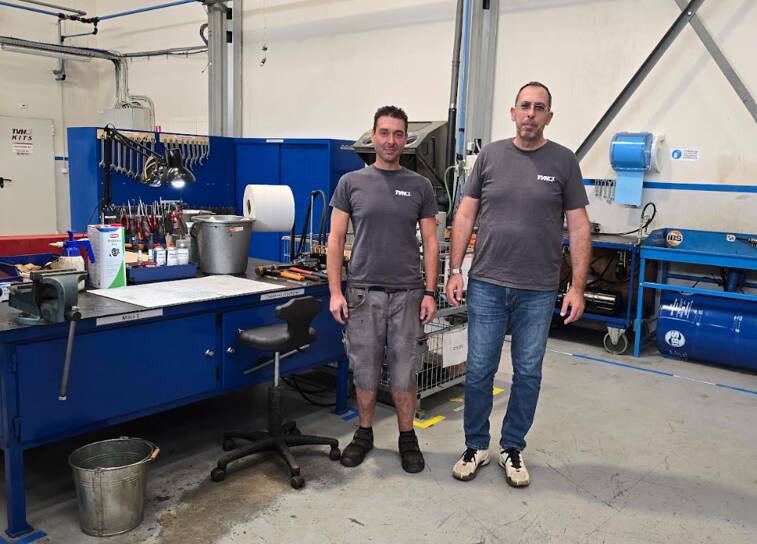
📅 Q4 2025 – Completed Improvement Project
🎯 Goal: Implement 5S and Kaizen methodology in the Warehouse Department to avoid unnecessary costs, optimize warehouse space and create sustainable and efficient processes.
📝 Problems:
🔧 Tools Used:
📊 Result:
📁 Presentations:
🖼️ Team Photo:
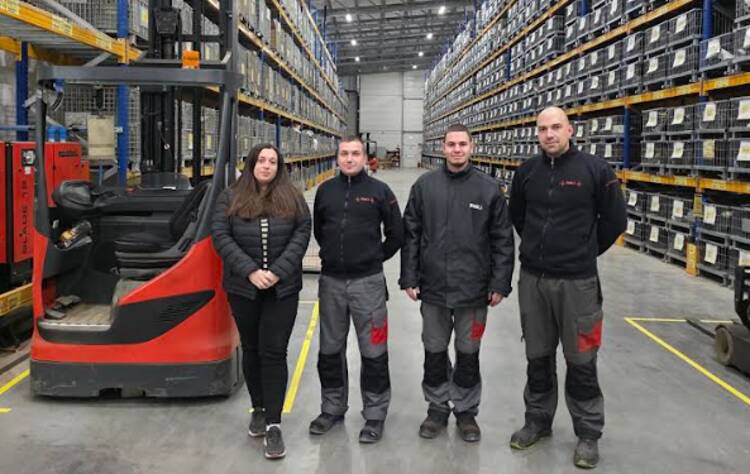
Summary of all Lean projects and results for TVH BULGARIA EOOD.
🔐 Contacts – Participants Only
🥉 Congratulations! TVH BULGARIA EOOD ranked 3rd in Q2 2025
📜 View the Certificate and Share on LinkedIn🥈 Congratulations! TVH Bulgaria EOOD ranked 2nd in Q3 2025
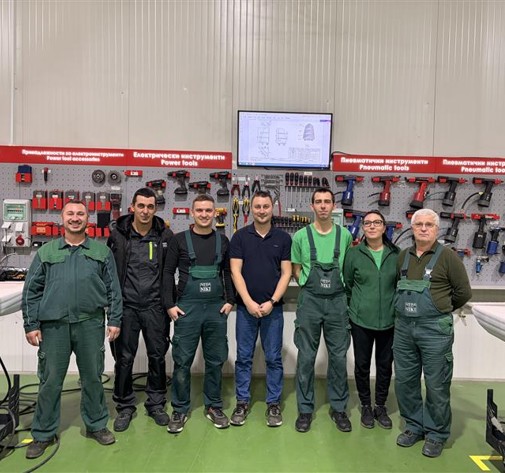
📜 View the Certificate and Share on LinkedIn🏭 NIKI Ltd.
📍 Location: 21 Praveshki Hanove St., 2161 Pravets
👥 Employees: 142
📐 Area: 6,500 m²
📺 Production: Metal products for household and industrial applications
🌍 Ownership: Bulgarian

📅 Q1 2025 – Completed Improvement Project
🎯 Goal: Implement Autonomous Maintenance and 5S in the “Blanks” area for Category A machines
📝 Problems: With the introduction of new machines and employees, the lack of maintenance leads to breakdowns, downtime and difficulties in production planning.
🔧 Tools Used: 5S, Autonomous Maintenance, 5 Why, Standardization, Kaizen
📊 Result: Improved equipment efficiency. 5S audit: 23 points → 68 points. A culture of equipment care was established.
📁 Presentations:
📸 Photo:
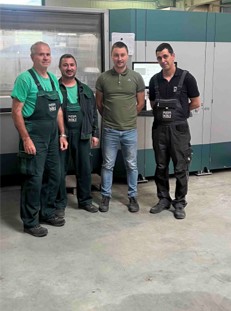
📅 Q2 2025 – Completed Improvement Project
🎯 Goal: Implement Autonomous Maintenance and 5S in the “Blanks” area for Category A machines. Main targets:
- Annual Autonomous Maintenance plan completion: from 37% to 57%
- 5S audit score: from 57 points → 94 points
📝 Problems: Lack of systematic maintenance and a culture of equipment care. Cleaning, lubrication and inspection activities are not performed regularly, leading to breakdowns and downtime.
🔧 Tools Used: 5S, Autonomous Maintenance, 5 Why Analysis, Swim Lane Diagram, Standardization, Kaizen
📊 Result: Improved equipment efficiency. Increased completion rate of the Autonomous Maintenance plan. 5S score: from 57 to 94 points.
📁 Presentations:
🖼️ Photo:
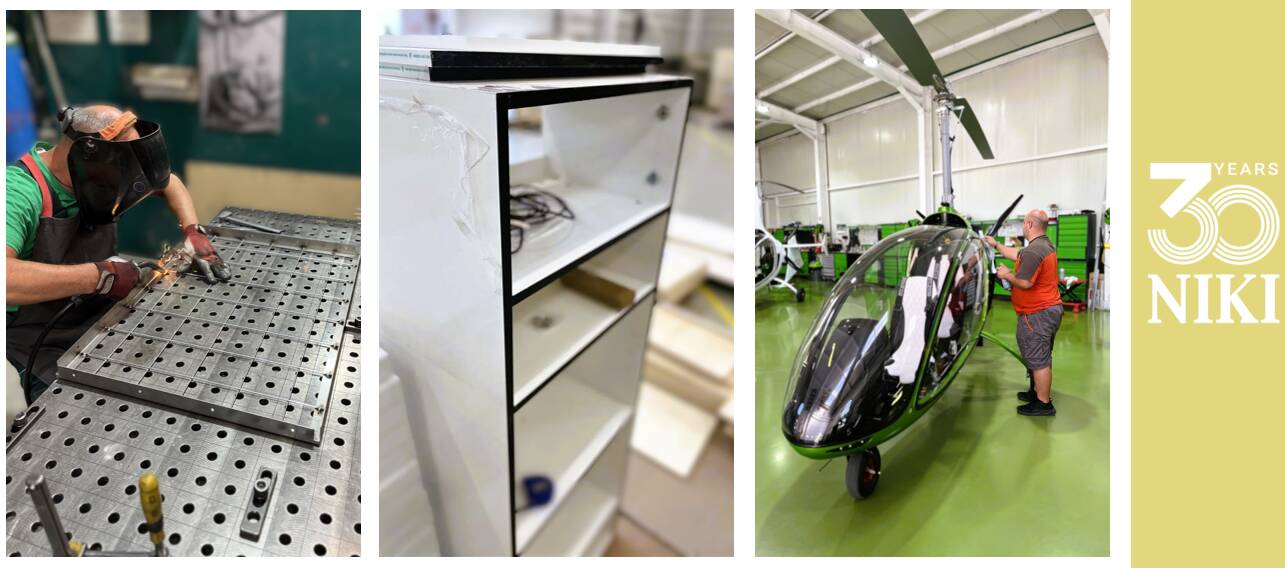
📅 Q3 2025 – Completed Improvement Project
🎯 Goal:
- Implement Autonomous Maintenance (AM) and 5S organization in the Packaging workshop.
- Build a culture of systematic equipment care among operators.
- Reduce breakdowns and downtime of Category A machines.
- Improve visual control and efficiency through maintenance standardization.
📝 Problems:
- Lack of clear rules and standards for machine cleaning, lubrication and inspection.
- Frequent breakdowns and downtime, resulting in losses and difficulties in production planning.
- Unprocessed and difficult-to-access data on breakdowns and replaced parts.
- Insufficient operator engagement and lack of a maintenance culture.
🔧 Tools Used:
- Autonomous Maintenance (AM) – implementation of the first steps.
- 5S – organization and workplace order in the “Blanks” and “Paint” areas.
- 5 Why Analysis – identifying root causes of breakdowns and downtime.
- Visual Management – implementation of visual standards and control boards.
- Standardization of cleaning, lubrication, tightening and inspection activities.
📊 Result:
- Autonomous Maintenance standards introduced for key machines (HAAS TL, HAAS VF1, HAAS SL).
- Improved 5S organization in the “Blanks” and “Paint” areas (from 53 to 94 points).
- Reduced breakdowns and downtime through regular maintenance and visual control.
- Increased operator motivation and engagement in equipment maintenance.
- A foundation was established for sustainable development and expansion of the AM system to other workshops.
📁 Presentations:
🖼️ Photo:
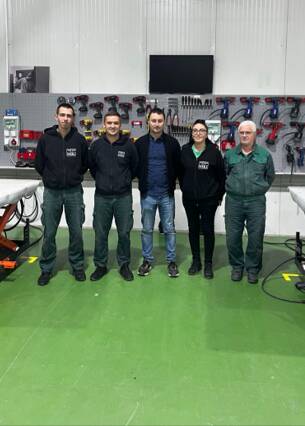
📅 Q4 2025 – Completed Improvement Project
🎯 Goal: Introduce and standardize Autonomous Maintenance (AM) and 5S for Category A machines (pilot area), through clear rules, training and execution tracking.
📝 Problems:
- Lack of clear rules and standards for cleaning, inspection and lubrication.
- Weak execution tracking and a “loss of focus”/culture regarding AM and 5S.
- Existing abnormalities and the need to restore basic equipment conditions (hoses/sensors/lighting, etc.).
🔧 Tools Used:
- Autonomous Maintenance (AM) – standards, plans and tracking.
- 5S – implementation/improvement in the pilot area and audits.
- Training + visualization and standardized checklists/control.
- Deployment plan for other areas/machines.
📊 Result:
- AM plan: from 69% to 100% completion.
- 5S audit: from 53 points to 90 points (above target).
- Standardized AM/5S activities and improved basic equipment condition.
📁 Presentation: View PDF
🖼️ Team Photo:
🔐 Contacts – Participants Only
🏅 Congratulations! NIKI Ltd. ranked 2nd in Q1 2025
📜 View the Certificate and Share on LinkedIn🥉 Congratulations! NIKI Ltd. ranked 3rd in Q2 2025
📜 View the Certificate and Share on LinkedIn🥉 Congratulations! NIKI Ltd. ranked 3rd in Q4 2025
📜 View the Certificate and Share on LinkedIn🏭 Alcomet AD
📍 Location: Shumen
👥 Employees: 1322
📐 Area: 370,000 m²
🛠️ Production: Aluminium profiles and products
🌍 Ownership: Bulgarian
📅 Q1 2026 – Improvement Project
🎯 Goal: Reduce changeover time by optimizing the activities for cleaning Boron Nitride build-up (part of the setup process) from 6:15 h to 3:00 h during Q1, with the aim of reducing downtime and increasing the efficiency of the casting process
📝 Problems:
🔧 Tools Used:
📊 Result:
📁 Presentation: View Presentation (PDF)
🖼️ Photo:
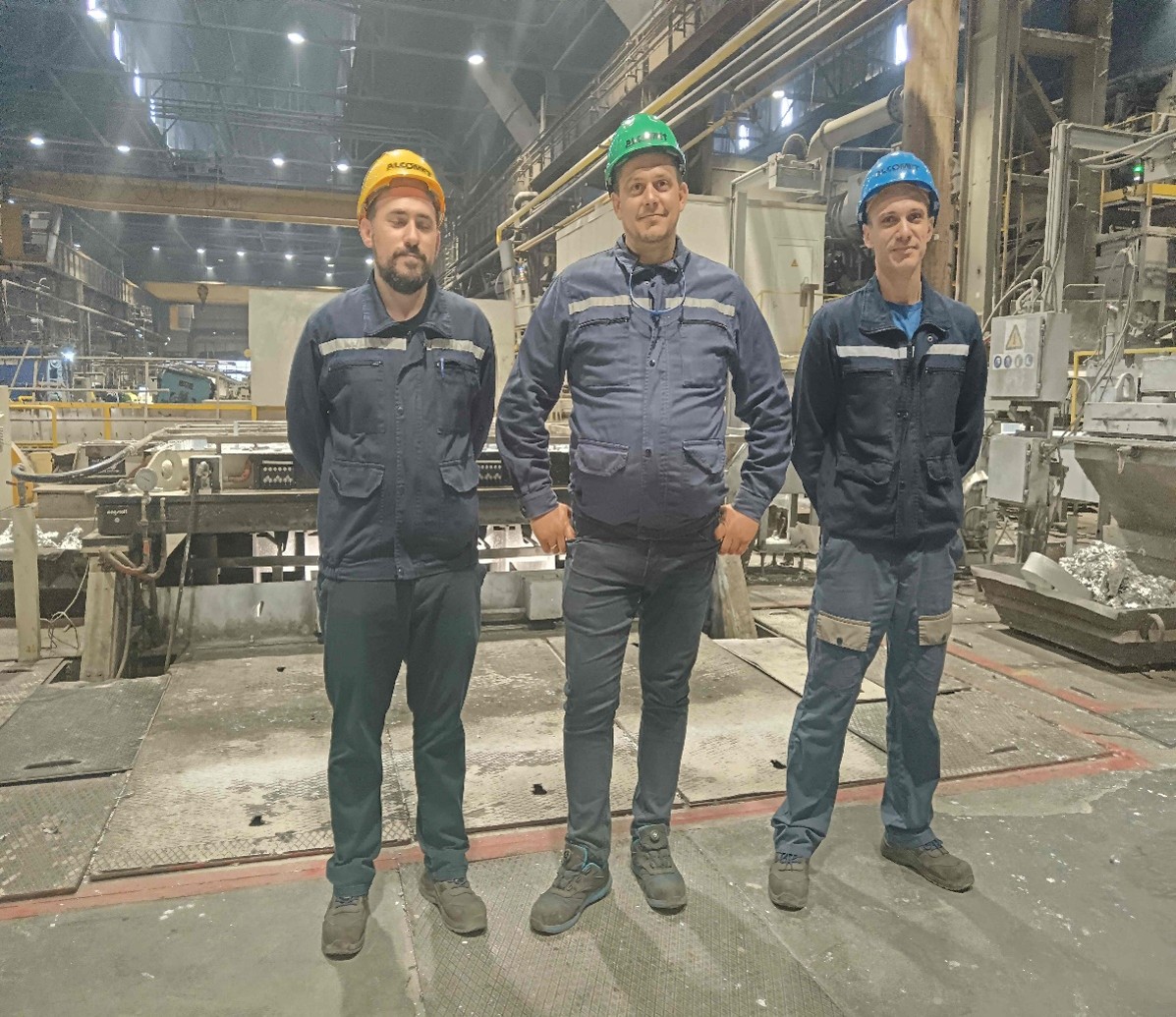
Alcomet AD Team during Lean Champions Q1 2026
📅 Q2 2026 – Improvement Project
🎯 Goal: Optimize the changeover time between different sizes of cast aluminium billets by reducing internal operations, increasing external preparation and improving the productivity of the casting line.
📝 Problems: Frequent changeovers between different billet sizes require extended production line downtime. A large part of the activities is performed while the equipment is stopped, resulting in lost production capacity and reduced efficiency.
🔧 Tools Used: SMED, current-state analysis (Genchi Genbutsu), 5 Why, Kaizen, standardized work, separation of internal and external operations, Visual Management and 5S.
📊 Result: Changeover time was reduced from 6 hours and 39 minutes to 2 hours and 27 minutes, representing a 63% improvement. In addition, the 5S audit score increased from 52 to 66 points, creating better workplace organization and higher efficiency.
📁 Presentation: Lean Champions 2026 Q2 – Alcomet AD
🖼️ Photo:
📅 Q3 2026 – Coming Soon
🎯 Goal: To be updated after the end of the quarter.
📝 Problems: To be updated after the end of the quarter.
🔧 Tools Used: To be updated after the end of the quarter.
📊 Result: To be updated after the end of the quarter.
📁 Presentation: To be updated after the end of the quarter.
🖼️ Photo:
📅 Q4 2026 – Coming Soon
🎯 Goal: To be updated after the end of the quarter.
📝 Problems: To be updated after the end of the quarter.
🔧 Tools Used: To be updated after the end of the quarter.
📊 Result: To be updated after the end of the quarter.
📁 Presentation: To be updated after the end of the quarter.
🖼️ Photo:
🔐 Contacts – Participants Only
🏭 AQ Plastronic AD
📍 Location: Veliko Tarnovo
👥 Employees: 104
📐 Area: ...m²
🛠️ Production: Fiscal printers, static electricity meters, electronic cash registers, POS terminals, etc.
🌍 Ownership: Sweden

📅 Q1 2026 – Improvement Project
🎯 Goal: Increase line productivity by stabilizing the flow, optimizing the production layout, introducing controlled buffers, balancing the workload between operators and implementing standardized work.
📝 Problems:
🔧 Tools Used:
📊 Result:
📁 Presentation: View Presentation (PDF)
🖼️ Photo:
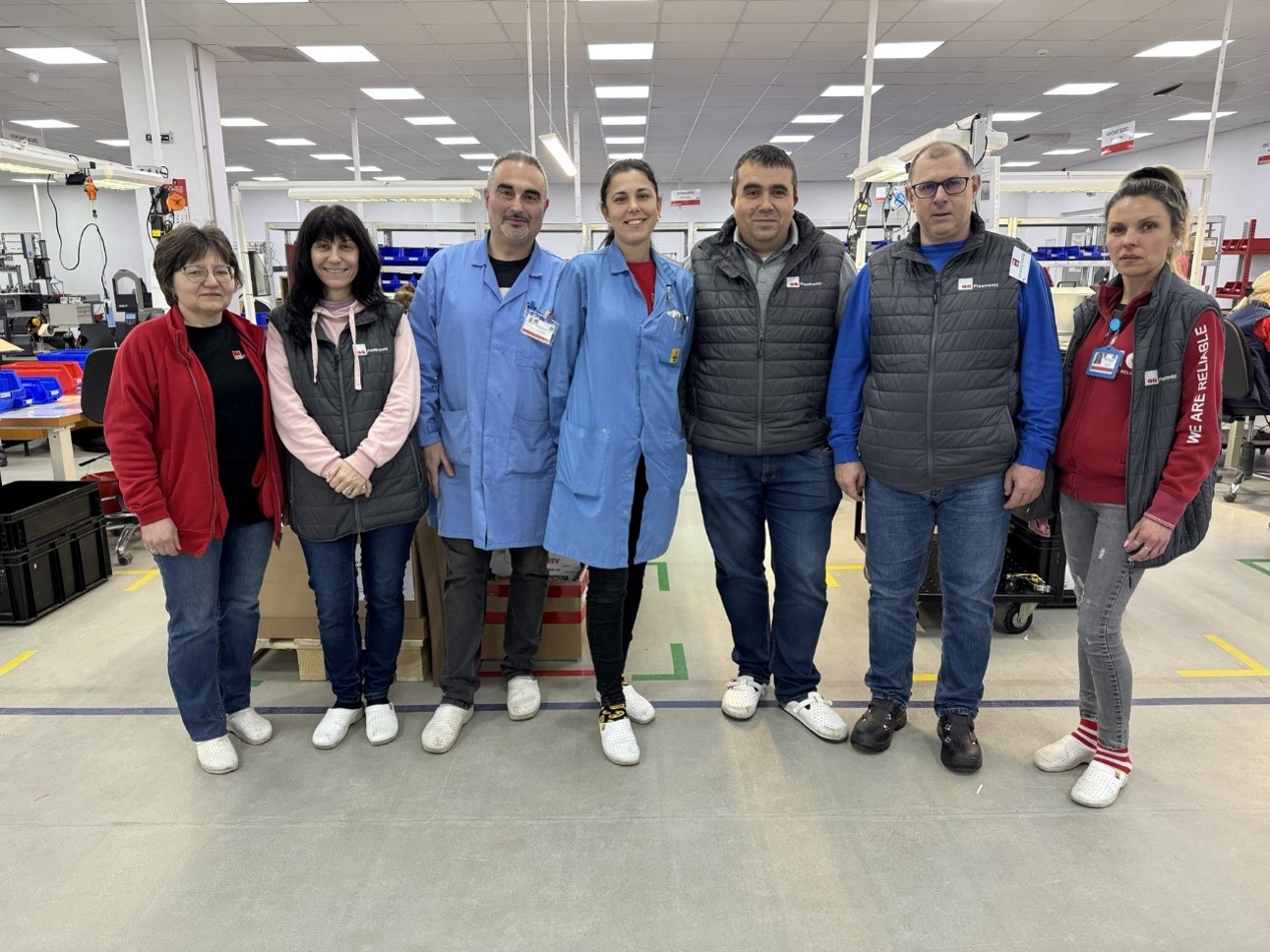
AQ Plastronic AD Team during Lean Champions Q1 2026
📅 Q2 2026 – Improvement Project
🎯 Goal: Increase the productivity of the MTU project assembly lines by maximizing the utilization of the wave soldering machine, reducing production losses and improving process quality.
📝 Problems: The wave soldering line operates at low efficiency, resulting in inefficient use of machine and human resources. Losses include insufficient equipment utilization, additional rework after soldering, short circuits and solder balls.
🔧 Tools Used: Pareto analysis, capacity analysis, VSM, 5 Why, Kaizen, 5S, process balancing, buffering, defect analysis, standardized work and production flow optimization.
📊 Result: The productivity of the wave soldering machine was significantly increased, reaching 87% for the leading product. Improvements were achieved through buffering and combining products with similar soldering parameters. Expected annual savings are approximately €24,473, while the 5S audit score increased from 64 to 80 points.
📁 Presentation: Lean Champions 2026 Q2 – AQ Plastronic
🖼️ Photo:
📅 Q3 2026 – Coming Soon
🎯 Goal: To be updated after the end of the third quarter.
📝 Problems: To be updated after the end of the third quarter.
🔧 Tools Used: To be updated after the end of the third quarter.
📊 Result: To be updated after the end of the third quarter.
📁 Presentation: To be updated after the end of the third quarter.
🖼️ Photo: To be updated after the end of the third quarter.
📅 Q4 2026 – Coming Soon
🎯 Goal: To be updated after the end of the fourth quarter.
📝 Problems: To be updated after the end of the fourth quarter.
🔧 Tools Used: To be updated after the end of the fourth quarter.
📊 Result: To be updated after the end of the fourth quarter.
📁 Presentation: To be updated after the end of the fourth quarter.
🖼️ Photo: To be updated after the end of the fourth quarter.
🔐 Contacts – Participants Only
🏭 Wegmann Automotive Bulgaria EOOD
📍 Location: Gabrovo
👥 Employees: 40
📐 Area: —
🛠️ Production: Battery terminals
🌍 Ownership: Germany

📅 Q1 2026 – Improvement Project
🎯 Goal: Increase production capacity in the casting process by at least 20% through optimization of the existing space and implementation of 5S in the Casting and Plastification areas.
📝 Problems:
🔧 Tools Used:
📊 Result:
📁 Presentation: View Presentation (PDF)
🖼️ Photo:
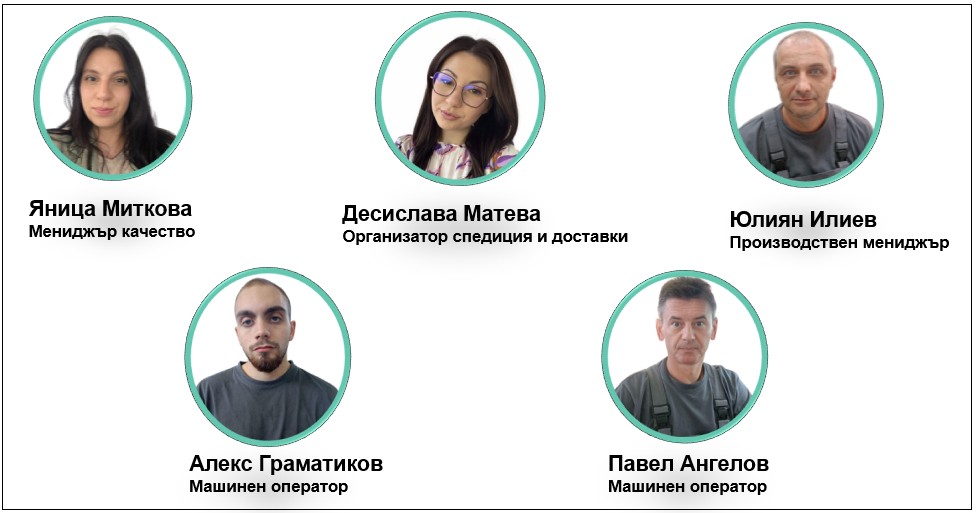
Wegmann Automotive Bulgaria Team during Lean Champions Q1 2026
📅 Q2 2026 – Improvement Project
🎯 Goal: Implement Autonomous Maintenance (TPM – Steps 1–3) in the Plastification area and improve workplace organization through 5S in the Turning area, with the aim of increasing equipment reliability, reducing unplanned downtime and establishing sustainable standards for daily machine care.
📝 Problems: Following the relocation of the equipment, several issues were identified: lack of standardized maintenance, delayed response to breakdowns, unauthorized adjustments, oil and water leaks, insufficient repair traceability and limited operator involvement in maintenance. These issues lead to production interruptions, lower efficiency and an increased risk of incidents.
🔧 Tools Used: TPM (Autonomous Maintenance), 5S, CILT standards, abnormality tags, Visual Management, Genchi Genbutsu, root cause analysis, standardization, implementation plan and PDCA.
📊 Result: The Autonomous Maintenance implementation plan exceeded its target, reaching 18.2% compared with the initial target of 11%. At the same time, the 5S audit score in the Turning area improved from 56 to 86 points, exceeding the target of 80 points. The project significantly improved cleanliness, organization, traceability and preventive maintenance of the equipment.
📁 Presentation: Lean Champions Q2 2026 – Wegmann Automotive Bulgaria
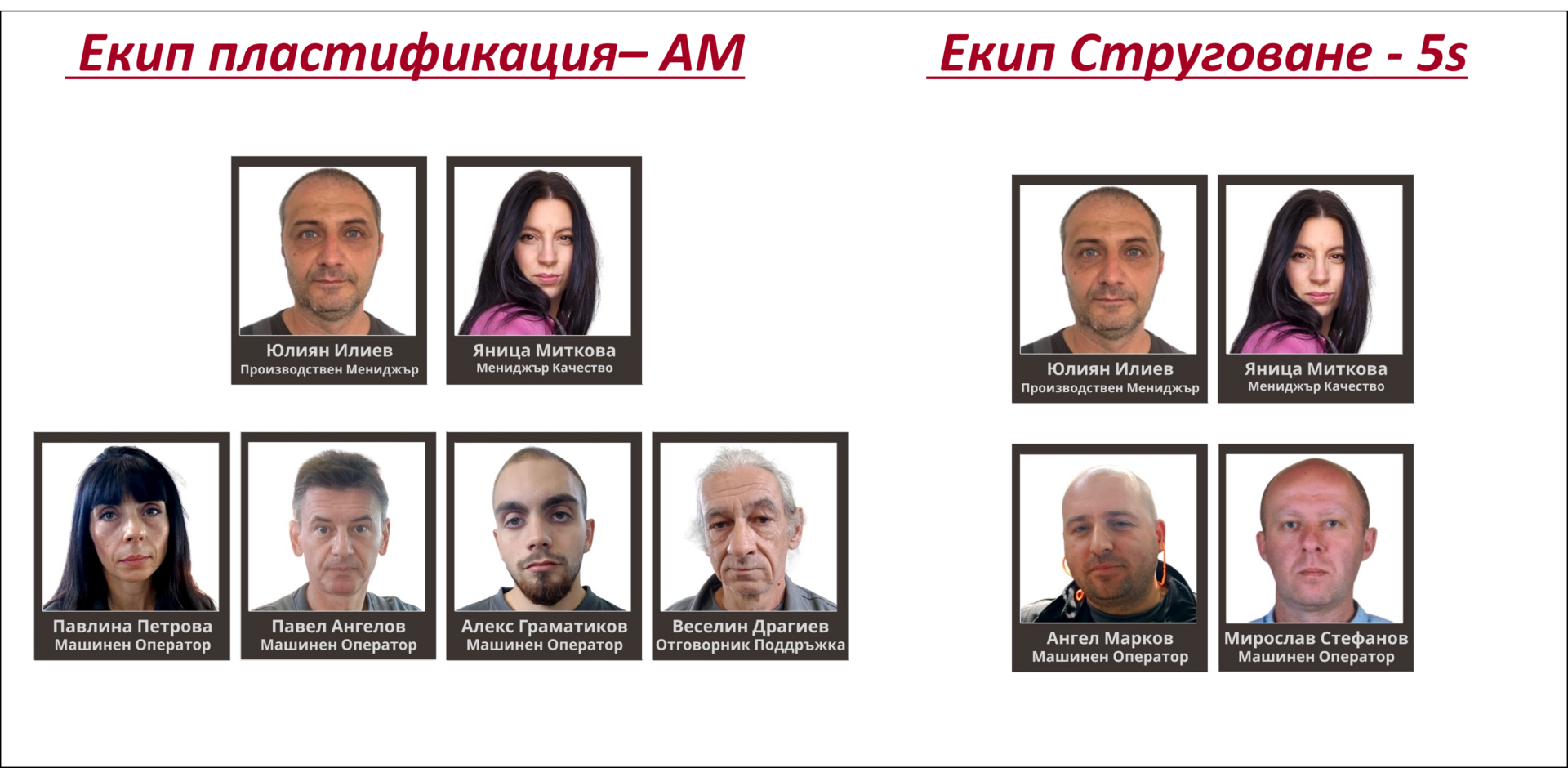
🖼️ Project Team:
📅 Q3 2026 – Coming Soon
🎯 Goal: To be updated after the end of the third quarter.
📝 Problems: To be updated after the end of the third quarter.
🔧 Tools Used: To be updated after the end of the third quarter.
📊 Result: To be updated after the end of the third quarter.
📁 Presentation: To be updated after the end of the third quarter.
🖼️ Photo: To be updated after the end of the third quarter.
📅 Q4 2026 – Coming Soon
🎯 Goal: To be updated after the end of the fourth quarter.
📝 Problems: To be updated after the end of the fourth quarter.
🔧 Tools Used: To be updated after the end of the fourth quarter.
📊 Result: To be updated after the end of the fourth quarter.
📁 Presentation: To be updated after the end of the fourth quarter.
🖼️ Photo: To be updated after the end of the fourth quarter.
🔐 Contacts – Participants Only
🏭 SÜDWOLLE GROUP ITALIA – BULSAFIL
📍 Location: 4140 Skutare, Plovdiv
👥 Employees: 589
📐 Area: ~120,000 m²
🛠️ Production: Worsted yarns and fibre blends for the textile industry
🌍 Ownership: Germany (Südwolle Group)

📅 Q1 2026 – Improvement Project
🎯 Goal: Reduce production batch changeover time on the first group of machines on Line C by analysing the current process, standardising work activities and improving workplace organisation.
📝 Problems:
🔧 Tools Used:
📊 Result:
📁 Presentation: View Presentation (PDF)
🖼️ Photo:
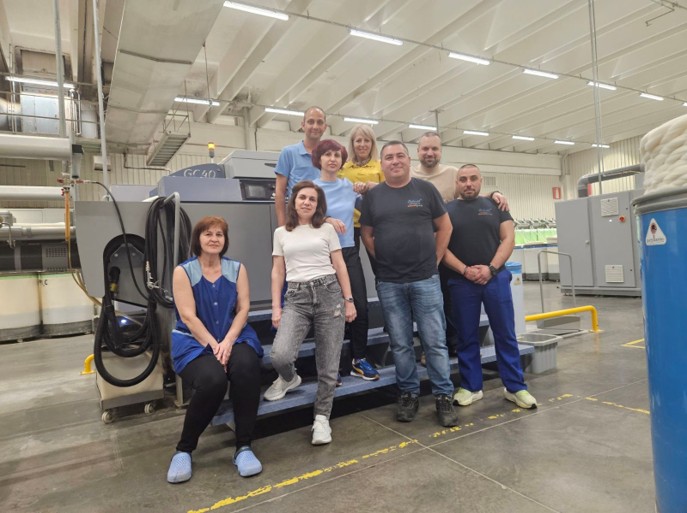
The SÜDWOLLE GROUP ITALIA – BULSAFIL team during Lean Champions Q1 2026
📅 Q2 2026 – Improvement Project
🎯 Goal: Reduce production batch changeover time in Preparation Department B by reducing machine downtime, optimising cleaning, reloading and adjustment activities, and increasing productivity.
📝 Problems: During batch changeovers, losses occur due to unstructured execution of activities, time spent searching for tools, lack of standard procedures and operations being performed while the machine is stopped. This delays machine start-up and creates a risk of material waiting at subsequent stages of the process.
🔧 Tools Used: SMED, ECRS, 5S, Kaizen, Genchi Genbutsu, 5 Why analysis, Standardised Work, Visual Management, work instructions, control checklist, operator training and workplace reorganisation.
📊 Result: Batch changeover time was reduced from 41 minutes and 55 seconds to 23 minutes and 17 seconds, representing a 45% improvement. The 5S audit score increased from 52% to 75%, while the project established a foundation for rolling out the approach across all lines in the preparation department.
📁 Presentation: Lean Champions 2026 Q2 – Suedwolle Group Italia Bulsafil
🖼️ Photo:
📅 Q3 2026 – Coming Soon
🎯 Goal: To be updated after the end of the third quarter.
📝 Problems: To be updated after the end of the third quarter.
🔧 Tools Used: To be updated after the end of the third quarter.
📊 Result: To be updated after the end of the third quarter.
📁 Presentation: To be updated after the end of the third quarter.
🖼️ Photo: To be updated after the end of the third quarter.
📅 Q4 2026 – Coming Soon
🎯 Goal: To be updated after the end of the fourth quarter.
📝 Problems: To be updated after the end of the fourth quarter.
🔧 Tools Used: To be updated after the end of the fourth quarter.
📊 Result: To be updated after the end of the fourth quarter.
📁 Presentation: To be updated after the end of the fourth quarter.
🖼️ Photo: To be updated after the end of the fourth quarter.
🔐 Contacts – Participants Only
🏭 Jacobs Douwe Egberts BG EOOD
📍 Location: Kostinbrod
👥 Employees: ~120
📐 Area: 13,150 m²
🛠️ Production: Roasting, grinding and packaging of coffee products
🌍 Ownership: Netherlands – JDE Peet’s (part of JAB Holding)

📅 Q1 2026 – Improvement Project
🎯 Goal: Increase the efficiency of the coffee roasting and grinding process to 68% in Q1 as part of a phased improvement toward 73% in 2026, with the aim of increasing production capacity and sustainably meeting customer demand.
📝 Problems:
🔧 Tools Used:
📊 Result:
📁 Presentation: View Presentation (PDF)
🖼️ Photo:
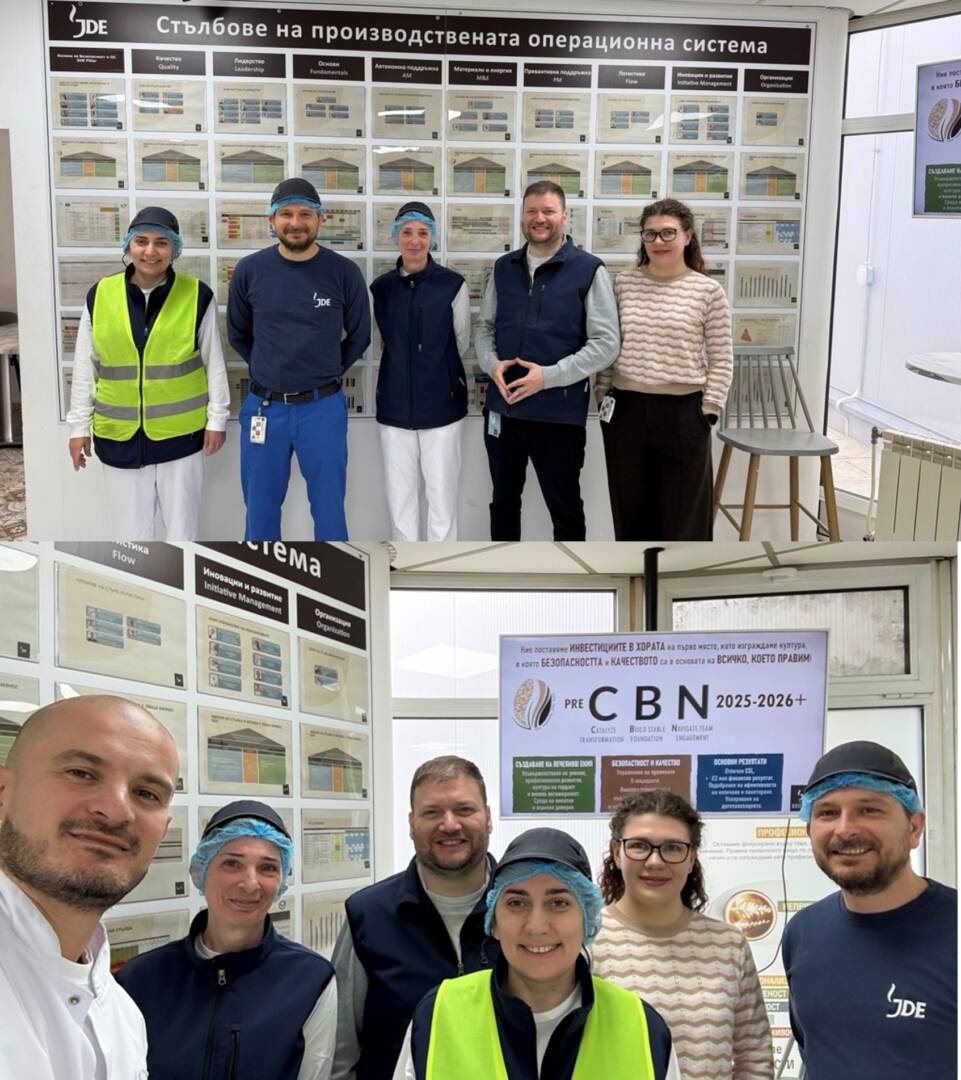
The Jacobs Douwe Egberts BG EOOD team during Lean Champions Q1 2026
📅 Q2 2026 – Improvement Project
🎯 Goal: Increase overall efficiency (GE) in the coffee roasting and grinding processes by eliminating the main production losses, increasing production capacity and creating conditions for sustainable production development.
📝 Problems: The roasting and grinding processes represent the bottleneck in production. Low overall efficiency limits production capacity and makes it difficult to meet customer demand. The main losses are related to delays in the production flow, downtime, planning, material constraints and suboptimal process organisation.
🔧 Tools Used: Waterfall analysis, Pareto analysis, Ishikawa diagram, 5 Why, Kaizen, Visual Management, process digitalisation, standardisation of CIL procedures, 5S and PDCA.
📊 Result: Overall efficiency (GE) increased from 66% to 70.1%, achieving the defined target. Average weekly production reached 626.5 tonnes, while the 5S audit score improved from 77% to 91%. Expected annual benefits include approximately €20,000 in energy-efficiency savings and the potential for approximately €2 million in additional sales resulting from increased productivity.
📁 Presentation: Lean Champions 2026 Q2 – Jacobs Douwe Egberts BG
🖼️ Photo:
📅 Q3 2026 – Coming Soon
🎯 Goal: To be updated after the end of the third quarter.
📝 Problems: To be updated after the end of the third quarter.
🔧 Tools Used: To be updated after the end of the third quarter.
📊 Result: To be updated after the end of the third quarter.
📁 Presentation: To be updated after the end of the third quarter.
🖼️ Photo: To be updated after the end of the third quarter.
📅 Q4 2026 – Coming Soon
🎯 Goal: To be updated after the end of the fourth quarter.
📝 Problems: To be updated after the end of the fourth quarter.
🔧 Tools Used: To be updated after the end of the fourth quarter.
📊 Result: To be updated after the end of the fourth quarter.
📁 Presentation: To be updated after the end of the fourth quarter.
🖼️ Photo: To be updated after the end of the fourth quarter.
🔐 Contacts – Participants Only
🏭 Kostal Bulgaria Automotive EOOD
📍 Location: Pazardzhik
👥 Employees: 1443
📐 Area: 26,000 m²
🛠️ Production: Electronic and mechatronic components for the automotive industry
🌍 Ownership: International – KOSTAL Group
📅 Q1 2026 – Improvement Project
🎯 Goal: Introduce Autonomous Maintenance (AM) on a 200t injection moulding machine as part of the annual production standards implementation plan, with the aim of achieving 5% completion of the overall plan during Q1.
📝 Problems:
🔧 Tools Used:
📊 Result:
📁 Presentation: View Presentation (PDF)
🖼️ Photo: Coming soon.
📅 Q2 2026 – Improvement Project
🎯 Goal: Integrate 5S and implement Autonomous Maintenance in the KOBU II Injection Moulding area, with the aim of improving equipment condition, increasing team engagement and creating a sustainable standard for machine cleaning, inspection and maintenance.
📝 Problems: There is insufficient integration between 5S and Autonomous Maintenance, as well as limited engagement across the organizational hierarchy in implementing and following the AM standard. The injection moulding machines have worn, missing and damaged components, along with water and oil leaks, frequent micro-stoppages and repairs, all of which negatively affect equipment availability.
🔧 Tools Used: 5S, Autonomous Maintenance (AM), TPM, initial cleaning, equipment inspection, abnormality tag register, Visual Management, standardization, action plan and deployment of the AM approach.
📊 Result: Completion of the Autonomous Maintenance plan increased from 5% to 20%, while the 5S audit score improved from 25 to 60 points. A foundation was created for sustainable implementation of the AM standard, better control of equipment condition and future deployment across the remaining injection moulding machines.
📁 Presentation: Lean Champions 2026 Q2 – Kostal Bulgaria Automotive
🖼️ Photo: No official team photo was provided for this project.
📅 Q3 2026 – Coming Soon
🎯 Goal: To be updated after the end of the third quarter.
📝 Problems: To be updated after the end of the third quarter.
🔧 Tools Used: To be updated after the end of the third quarter.
📊 Result: To be updated after the end of the third quarter.
📁 Presentation: To be updated after the end of the third quarter.
🖼️ Photo: To be updated after the end of the third quarter.
📅 Q4 2026 – Coming Soon
🎯 Goal: To be updated after the end of the fourth quarter.
📝 Problems: To be updated after the end of the fourth quarter.
🔧 Tools Used: To be updated after the end of the fourth quarter.
📊 Result: To be updated after the end of the fourth quarter.
📁 Presentation: To be updated after the end of the fourth quarter.
🖼️ Photo: To be updated after the end of the fourth quarter.
🔐 Contacts – Participants Only
🏭 LEM Bulgaria EOOD
📍 Location: 8 Iliansko Shose St., 1220 Sofia
👥 Employees: 300
📐 Area: 4500 m²
🛠️ Production: Sensors for measuring electrical parameters
🌍 Ownership: Switzerland
🔗 lem.com
📅 Q1 2026 – Improvement Project
🎯 Goal: Increase warehouse capacity within the existing area and improve the efficiency of finished-goods picking and shipping by 10% (reducing the average picking time per order line from 330 sec. to 300 sec.).
📝 Problems: The finished-goods warehouse operates with a standardized organization, but due to the expansion of the product portfolio, the available space is no longer sufficient. The increased number of items leads to higher storage density, more difficult access to some locations and a risk of reduced shipping efficiency.
🔧 Tools Used: 5 Why analysis, ABCD product classification, warehouse layout optimization, Visual Management, 5S, standardization and reorganization of warehouse zones.
📊 Result: The average picking time per order line was reduced from 330 sec. to 264 sec., representing a significant improvement in the efficiency of the finished-goods shipping process.
📁 Presentation: View Presentation (PDF)
🖼️ Photo:
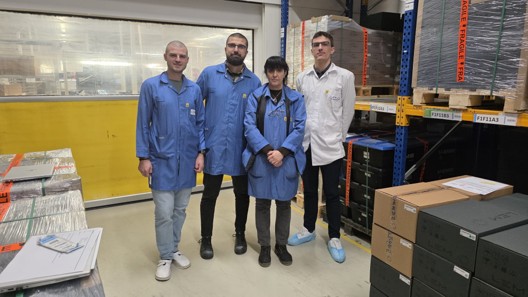
The LEM Bulgaria team during Lean Champions Q1 2026
📅 Q2 2026 – Improvement Project
🎯 Goal: Increase OEE on key automotive production lines by accelerating the decision-making process, improving action traceability and ensuring repeatability of successful solutions (“first time right”) through the structured application of Lean tools in a digital environment.
The project covers the SSVT, CDT, HC16F and HC5FW lines, with the goal of moving from paper-based to digital management of operational meetings through the iObeya platform, adapted to the needs of the plant. This will allow problems to be identified and resolved in real time during the shift rather than with a delay.
The specific goal is to increase OEE by at least 10% on each line, compared with the current levels:
- HC16F – 48.9%
- SSVT – 74.18%
- CDT – 42.54%
- HC5FW – measurement to be introduced
📝 Problems: Lack of a digitalized system for managing daily meetings and decision-making. The use of paper boards leads to delayed problem escalation, limited traceability of actions taken and difficulty in applying a “first time right” approach. This results in missed opportunities for rapid response and has a negative impact on OEE.
🔧 Tools Used: iObeya platform, Daily Management System (DMS), Visual Management, structured operational meetings, problem escalation, loss analysis (OEE), PDCA, Kaizen and standardization of successful practices.
📊 Result: A digital system for managing daily operational meetings through the iObeya platform was successfully implemented. Action traceability was digitalized, escalation management was improved, and the need for more than 5,500 pages of color printing per year was eliminated, generating savings of approximately €800. The project also created the conditions for sustainable OEE improvement through faster decision-making and standardized daily management.
📁 Presentation: Lean Champions – Q2 2026 – LEM Bulgaria
🖼️ Photo:

📅 Q3 2026 – Coming Soon
🎯 Goal: To be updated after the end of the third quarter.
📝 Problems: To be updated after the end of the third quarter.
🔧 Tools Used: To be updated after the end of the third quarter.
📊 Result: To be updated after the end of the third quarter.
📁 Presentation: To be updated after the end of the third quarter.
🖼️ Photo: To be updated after the end of the third quarter.
📅 Q4 2026 – Coming Soon
🎯 Goal: To be updated after the end of the fourth quarter.
📝 Problems: To be updated after the end of the fourth quarter.
🔧 Tools Used: To be updated after the end of the fourth quarter.
📊 Result: To be updated after the end of the fourth quarter.
📁 Presentation: To be updated after the end of the fourth quarter.
🖼️ Photo: To be updated after the end of the fourth quarter.
🔐 Contacts – Participants Only
🏭 Linamar Light Metals Ruse EOOD
📍 Location: Industrial Zone, 1 Tegra St., 7000 Ruse
👥 Employees: 750
📐 Area: 30,000 m²
🛠️ Production: Aluminum components for the automotive industry – including casting, machining and assembly
🌍 Ownership: Canada
📅 Q1 2026 – Improvement Project
🎯 Goal: Reduce global scrap in the core-making area. In 2025, global scrap was 27%, with the target of reducing it to 22% by the end of Q1 2026.
📝 Problems: Global scrap within the company includes all defective products – from the core-making machine, buffer area and casting process. A significant portion of this scrap is not recorded and is classified as “missing.” This limits visibility of the actual losses and makes process improvement more difficult.
🔧 Tools Used:
- Analysis of the current global scrap situation
- 5 Why analysis to identify the root cause
- Digital system for real-time scrap registration
- Visual control through a “Green Board”
- Quality monitoring and defect tracking
- Pareto analysis of defects by type, machine and core box
- 5S audit and planning of the next improvement area
📊 Result:
- A new KPI was introduced to track scrap detected at the machine
- Improved visibility of actual losses and defects
- Digital scrap registration using a touch screen was introduced
- Defects can now be analyzed by area, machine and core box
- Global scrap for Q1 2026 was reduced from 27% to 26%
- A foundation was established for further scrap reduction in the following quarters
📁 Presentation: View Presentation (PDF)
🖼️ Photo: Coming soon.
📅 Q2 2026 – Improvement Project
🎯 Goal: Reduce global scrap in the core-making area by increasing visibility of actual defects, improving scrap registration and creating a system for faster analysis and response. The Q2 target is to reach 20% global scrap.
📝 Problems: Part of the scrap is not recorded and remains classified as “missing,” making it difficult to analyze the actual losses and preventing the identification of root causes. The lack of an easy and fast method for real-time registration limits process control and the ability to take timely action.
🔧 Tools Used: 5S, Kaizen, 5 Why, Ishikawa diagram, digital scrap registration system, new KPI for detected scrap, “Green Board,” Visual Management, real-time monitoring, Pareto analysis, Power BI reports and standardized work instructions.
📊 Result: Global scrap was reduced to 20% in Q2 2026, achieving the target. A digital system for scrap registration and analysis was implemented, allowing tracking by machine, core box and defect type. The 5S score in the area increased from 53% to 81.5%.
📁 Presentation: Lean Champions 2026 Q2 – Linamar Light Metals Ruse
🖼️ Photo: No official team photo was provided for this project.
📅 Q3 2026 – Coming Soon
🎯 Goal: To be updated after the end of the third quarter.
📝 Problems: To be updated after the end of the third quarter.
🔧 Tools Used: To be updated after the end of the third quarter.
📊 Result: To be updated after the end of the third quarter.
📁 Presentation: To be updated after the end of the third quarter.
🖼️ Photo: To be updated after the end of the third quarter.
📅 Q4 2026 – Coming Soon
🎯 Goal: To be updated after the end of the fourth quarter.
📝 Problems: To be updated after the end of the fourth quarter.
🔧 Tools Used: To be updated after the end of the fourth quarter.
📊 Result: To be updated after the end of the fourth quarter.
📁 Presentation: To be updated after the end of the fourth quarter.
🖼️ Photo: To be updated after the end of the fourth quarter.
🔐 Contacts – Participants Only
🏭 Mebel Stil Ltd. – Factory 1
📍 Location: Targovishte
👥 Employees: 650+ (across the group)
📐 Area: 88,000 m² (total site) / 29,000 m² covered production facilities
🛠️ Production: Sofas (upholstered furniture)
🌍 Ownership: Bulgaria

📅 Q1 2026 – Improvement Project
🎯 Goal: Achieve a 20% productivity increase during Q1 in the sanding, drilling and T-nut insertion sub-area of the Wood Preparation department by transitioning from batch to flow, optimizing the layout and eliminating motion and waiting waste.
📝 Problems:
🔧 Tools Used:
📁 Presentation: View Presentation (PDF)
🖼️ Photo:
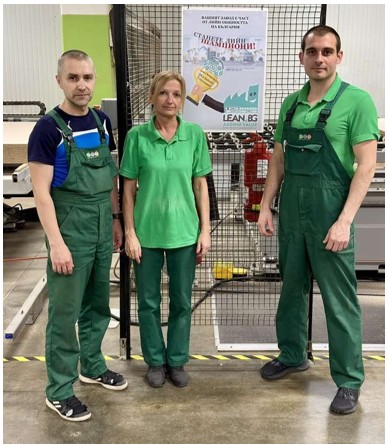
Mebel Stil Ltd. team during Lean Champions Q1 2026
📅 Q2 2026 – Improvement Project
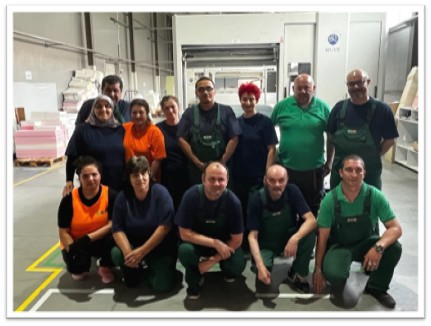
🎯 Goal: Optimize polyurethane foam warehouse deliveries, reduce overstocking and improve organization in the warehouse and cutting area through the implementation of 5S and a Pull System. The main target is to reduce average monthly deliveries from 1,643 m³ to 1,360 m³ and increase the 5S level from 18% to 55%.
📝 Problems: An increase in polyurethane foam prices of approximately 31% led to a significant rise in inventory value. There were no standards for inventory management, overstocking was present, the warehouse for cut components was poorly organized, material flow was inefficient and material traceability was difficult. This resulted in tied-up working capital and inefficient use of warehouse space.
🔧 Tools Used: 5S, Kaizen, Genchi Genbutsu, 5 Why analysis, ABC analysis, Pull System, Kanban, Visual Management, standardization, action plan, PDCA.
📊 Result: The company successfully implemented a Pull System for inventory management, reorganized the warehouse and material flow, and increased the 5S level from 18% to 87%. Average monthly foam deliveries were optimized from 1,643 m³ to 1,360 m³, releasing approximately €21,000 in working capital per month (around €257,000 annually) without creating risk for production.
📁 Presentation: Lean Champions 2026 Q2 – Mebel Stil
🖼️ Photo:
📅 Q3 2026 – Coming Soon
🎯 Goal: To be updated after the end of the third quarter.
📝 Problems: To be updated after the end of the third quarter.
🔧 Tools Used: To be updated after the end of the third quarter.
📊 Result: To be updated after the end of the third quarter.
📁 Presentation: To be updated after the end of the third quarter.
🖼️ Photo: To be updated after the end of the third quarter.
📅 Q4 2026 – Coming Soon
🎯 Goal: To be updated after the end of the fourth quarter.
📝 Problems: To be updated after the end of the fourth quarter.
🔧 Tools Used: To be updated after the end of the fourth quarter.
📊 Result: To be updated after the end of the fourth quarter.
📁 Presentation: To be updated after the end of the fourth quarter.
🖼️ Photo: To be updated after the end of the fourth quarter.
🔐 Contacts – Participants Only
🥈 Congratulations! Mebel Stil Ltd. ranked 2nd in Lean Champions – Q1 2026
📜 View the Certificate and Share on LinkedIn🏭 NIKI Ltd.
📍 Location: 21 Praveshki Hanove St., 2161 Pravets
👥 Employees: 142
📐 Area: 6,500 m²
📺 Production: Metal products for household and industrial applications
🌍 Ownership: Bulgarian

📅 Q1 2026 – Improvement Project
🎯 Goal: Execute the activities defined in the annual improvement plan by building a sustainable quality control system and introducing Autonomous Maintenance (AM) for Category B and C machines, with the aim of achieving 40.7% completion during Q1 2026.
📝 Problems:
🔧 Tools Used:
📊 Result: Quality improvement was achieved through the implementation of an in-process control system and KPI visualization, together with the establishment of an audit system for 5S and Autonomous Maintenance. Overall result: 90% completion of the defined targets.
📁 Presentation: View Presentation (PDF)
🖼️ Photo: Coming soon.
📅 Q2 2026 – Improvement Project
🎯 Goal: Improve quality by building an in-process quality control system, increasing operator responsibility and implementing an audit system for 5S and Autonomous Maintenance.
📝 Problems: As the company has grown, with new machines and a larger team, quality deterioration and an increase in internal and external complaints have been observed. Clearly defined in-process quality criteria are missing, operator responsibility is not sufficiently clear, and quality control is concentrated mainly in one quality specialist.
🔧 Tools Used: 5 Why, Kaizen, 5S, Autonomous Maintenance, One Point Lessons, Visual Management, OK/NOK standards, digital audit portal, deployment plan and standardization of critical quality points.
📊 Result: Completion of the annual improvement plan reached 81% against a target of 87%, representing 93.1% achievement versus the target. The 5S audit score increased from 38% to 40%. One Point Lessons, visual quality standards and a digital audit system for 5S and Autonomous Maintenance were created.
📁 Presentation: Lean Champions 2026 Q2 – NIKI
🖼️ Photo: No official team photo was provided for this project.
📅 Q3 2026 – Coming Soon
🎯 Goal: To be updated after the end of the third quarter.
📝 Problems: To be updated after the end of the third quarter.
🔧 Tools Used: To be updated after the end of the third quarter.
📊 Result: To be updated after the end of the third quarter.
📁 Presentation: To be updated after the end of the third quarter.
🖼️ Photo: To be updated after the end of the third quarter.
📅 Q4 2026 – Coming Soon
🎯 Goal: To be updated after the end of the fourth quarter.
📝 Problems: To be updated after the end of the fourth quarter.
🔧 Tools Used: To be updated after the end of the fourth quarter.
📊 Result: To be updated after the end of the fourth quarter.
📁 Presentation: To be updated after the end of the fourth quarter.
🖼️ Photo: To be updated after the end of the fourth quarter.
🔐 Contacts – Participants Only
🏭 Ottobock Manufacturing
Bulgaria Ltd.
📍 Location: Blagoevgrad
👥 Employees: 500
📐 Area: 44,000 m²
🛠️ Production: Orthoses and prostheses
🌍 Ownership: Germany (Ottobock)

📅 Q1 2026 – Improvement Project
🎯 Goal: Increase productivity (units per operator) by 10% during Q1 – from 10.5 to 11.5 – by stabilizing the production flow, optimizing the layout and balancing the line.
📝 Problems:
🔧 Tools Used:
📊 Result:
📁 Presentation: View Presentation (PDF)
🖼️ Photo:
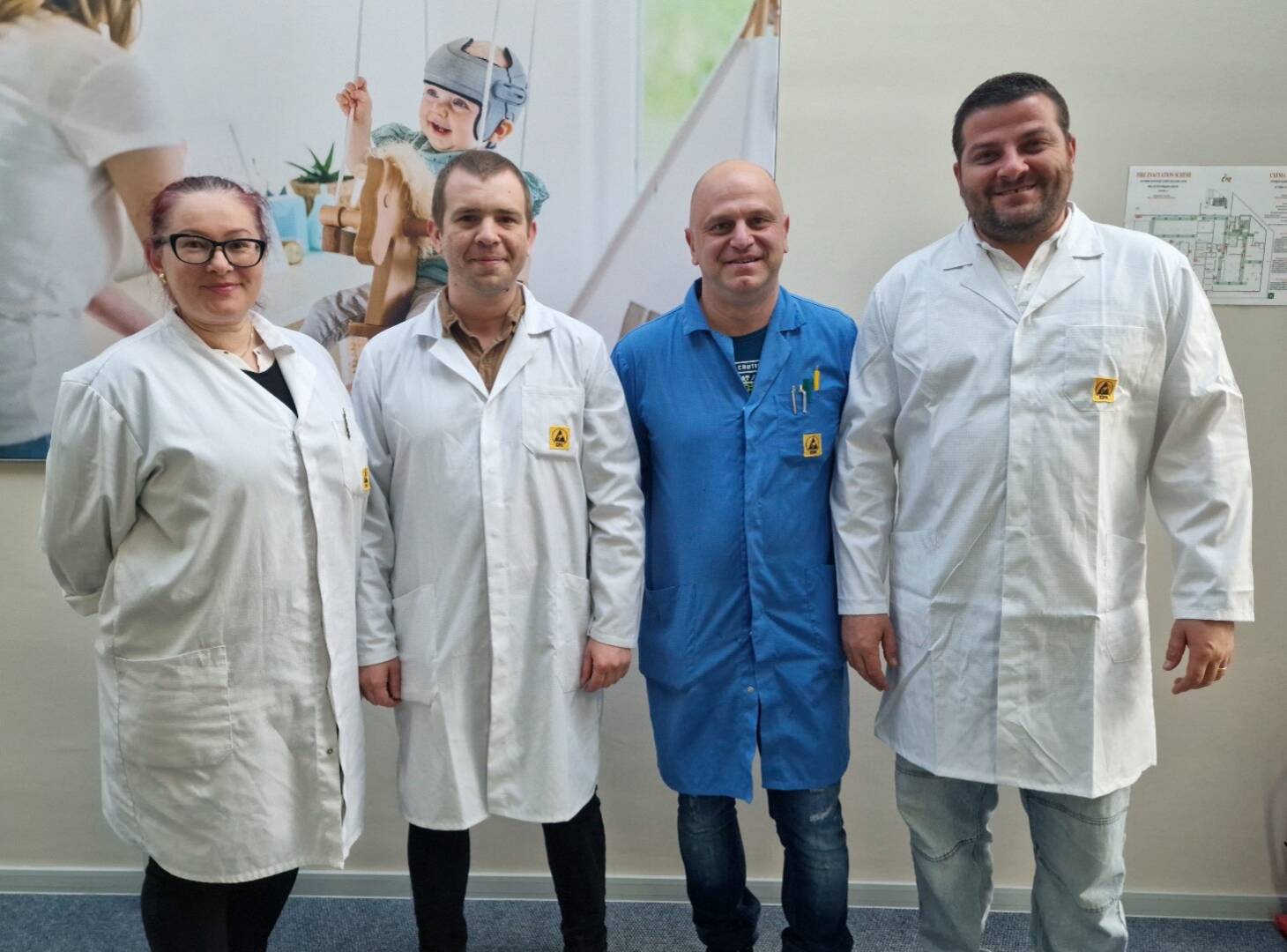
Ottobock Manufacturing Bulgaria team during Lean Champions Q1 2026
📅 Q2 2026 – Improvement Project
🎯 Goal: Build a stable and manageable production system for the new Exopulse product flow by introducing Shop Floor Management, Visual Management, standardized processes and production balancing, with the aim of sustainably increasing weekly productivity from 35 to at least 70 units.
📝 Problems: Following the start of production, the line was unable to reach the planned capacity. Standardized daily management, visual control, stable material flow, balanced workload, competence management and timely reaction to deviations were lacking, resulting in low and unstable productivity.
🔧 Tools Used: Shop Floor Management (SFM), Visual Management, Focus Board, SQCDP, Hourly Tracking, Standard Work, Line Balancing, Pull System (FIFO / ConWIP), Process Confirmation, Skill Matrix, Poka-Yoke, Pareto Analysis, FPY Management, 5S, Daily Gemba Management.
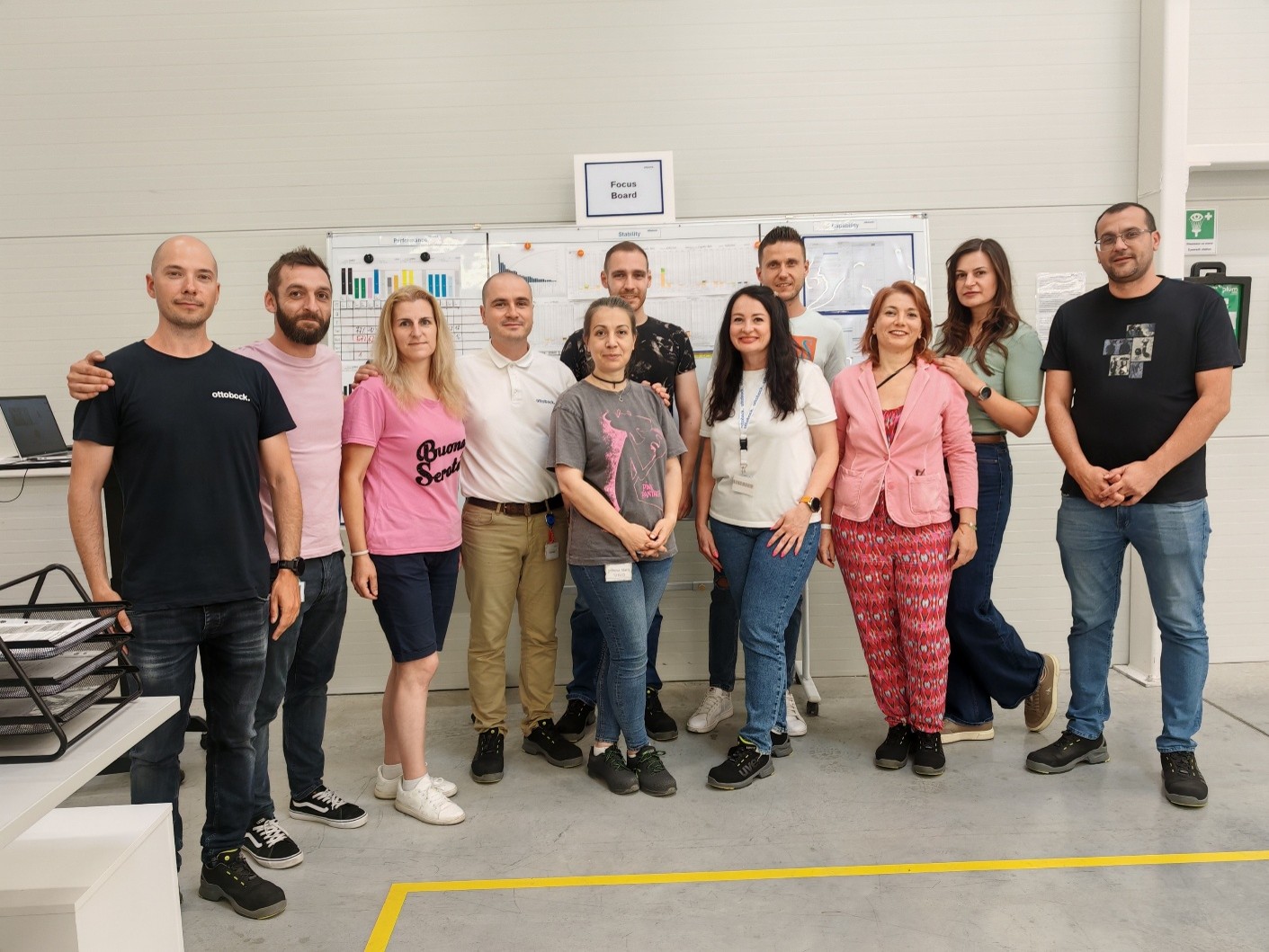
📊 Result: Productivity increased from approximately 35 to 80 units per week, First Pass Yield reached 91%, the 5S audit score increased from 39% to 73%, and the established system is now planned for implementation across the company's other production flows.
📁 Presentation: Lean Champions – Q2 2026 – Ottobock Manufacturing Bulgaria
🖼️ Photo:
📅 Q3 2026 – Coming Soon
🎯 Goal: To be updated after the end of the third quarter.
📝 Problems: To be updated after the end of the third quarter.
🔧 Tools Used: To be updated after the end of the third quarter.
📊 Result: To be updated after the end of the third quarter.
📁 Presentation: To be updated after the end of the third quarter.
🖼️ Photo: To be updated after the end of the third quarter.
📅 Q4 2026 – Coming Soon
🎯 Goal: To be updated after the end of the fourth quarter.
📝 Problems: To be updated after the end of the fourth quarter.
🔧 Tools Used: To be updated after the end of the fourth quarter.
📊 Result: To be updated after the end of the fourth quarter.
📁 Presentation: To be updated after the end of the fourth quarter.
🖼️ Photo: To be updated after the end of the fourth quarter.
🔐 Contacts – Participants Only
🥇 Congratulations! Ottobock Manufacturing Bulgaria Ltd. ranked 1st in Q1 2026
📜 View the Certificate and Share on LinkedIn🏆 Congratulations! Ottobock Manufacturing Bulgaria Ltd. won 1st place in Lean Champions – Q2 2026.
📜 View the Award Certificate and Share on LinkedIn🏭 TVH Bulgaria EOOD
📍 Location: Sveti Spiridon St., 7009 Ruse
👥 Employees: 35
📐 Area: 6,200 m²
🛠️ Business: Trade and repair of material handling and industrial equipment
🌍 Ownership: Belgium
🔗 tvh.com
📅 Q1 2026 – Improvement Project
🎯 Goal: Optimize the cost of AC motor refurbishment by improving the diagnostic and repair process so that rewinding is performed only when technically necessary, reducing the share of rewound motors from 45% to 25%.
📝 Problems: In 2025, 45% of refurbished AC motors were rewound by a subcontractor, resulting in significant additional costs. Analysis showed that some of these operations were performed without actual technical necessity.
🔧 Tools Used:
📊 Result:
📁 Presentation: View Presentation (PDF)
🖼️ Photo:
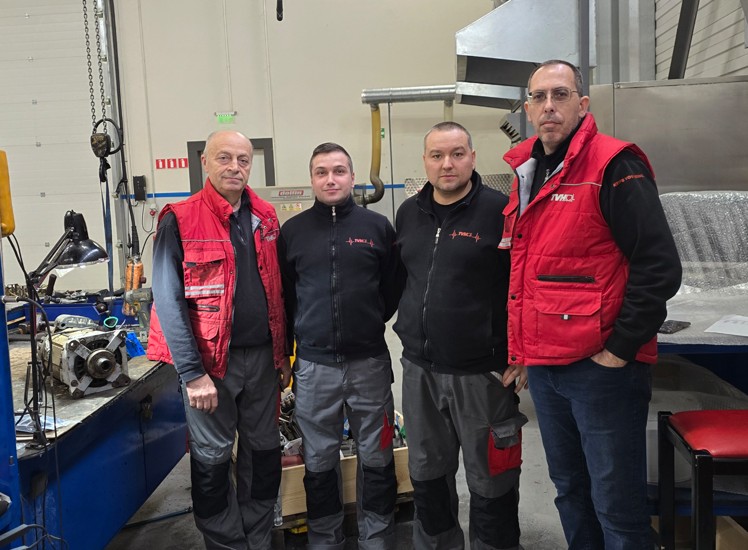
TVH Bulgaria team during Lean Champions Q1 2026
📅 Q2 2026 – Improvement Project
🎯 Goal: Reduce internal findings in the refurbishment of DC electric motors from 60% to 25% by building a sustainable quality assurance process and implementing Quality Assurance, In-Process Control and final quality control.
📝 Problems: A large share of refurbished DC electric motors do not meet company and customer requirements, resulting in high costs for additional inspections in Belgium, critical quality findings and delays in the delivery process.
🔧 Tools Used: 5S, Kaizen, Quality Assurance, In-Process Control, QC Check List, Pareto analysis, Ishikawa diagram, 5 Why, 5W1H, Process Flow Chart, Process Mapping, Visual Management, work instructions, internal training, standardized work, production process redesign and ergonomic workplace organization.
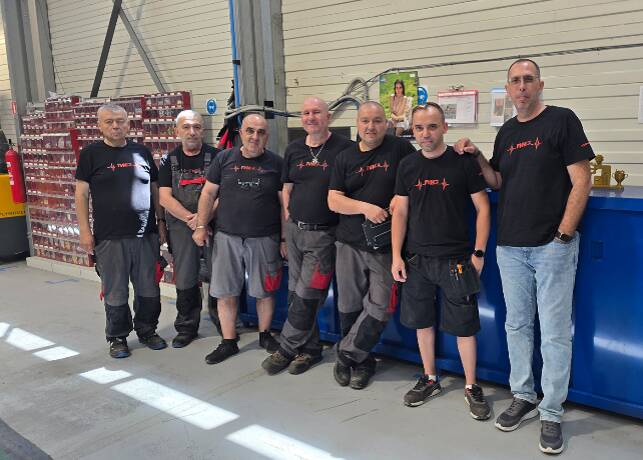
📊 Result: Internal findings were reduced from 60% to 24.24%, the 5S target was achieved at 92.5%, a sustainable quality control system was established, and the foundation was laid for direct delivery of refurbished electric motors without additional inspection in Belgium.
📁 Presentation: Lean Champions – Q2 2026 – TVH Bulgaria
🖼️ Photo:
📅 Q3 2026 – Coming Soon
🎯 Goal: To be updated after the end of the third quarter.
📝 Problems: To be updated after the end of the third quarter.
🔧 Tools Used: To be updated after the end of the third quarter.
📊 Result: To be updated after the end of the third quarter.
📁 Presentation: To be updated after the end of the third quarter.
🖼️ Photo: To be updated after the end of the third quarter.
📅 Q4 2026 – Coming Soon
🎯 Goal: To be updated after the end of the fourth quarter.
📝 Problems: To be updated after the end of the fourth quarter.
🔧 Tools Used: To be updated after the end of the fourth quarter.
📊 Result: To be updated after the end of the fourth quarter.
📁 Presentation: To be updated after the end of the fourth quarter.
🖼️ Photo: To be updated after the end of the fourth quarter.
🔐 Contacts – Participants Only
🥉 Congratulations! TVH Bulgaria EOOD ranked 3rd in Lean Champions – Q1 2026
📜 View the Certificate and Share on LinkedIn🏭 APS Trading OOD
📍 Location: Botevgrad
👥 Employees: 172
📐 Area: 16,112 m²
🛠️ Production: Thermal printers
🌍 Ownership: France / Italy

📅 Q1 2026 – Improvement Project
🎯 Goal: Optimize the lead time from the subcontractor responsible for component polishing in order to eliminate delays and ensure on-time order fulfillment.
📝 Problems:
🔧 Tools Used:
📊 Result:
📁 Presentation: View Presentation (PDF)
🖼️ Photo:
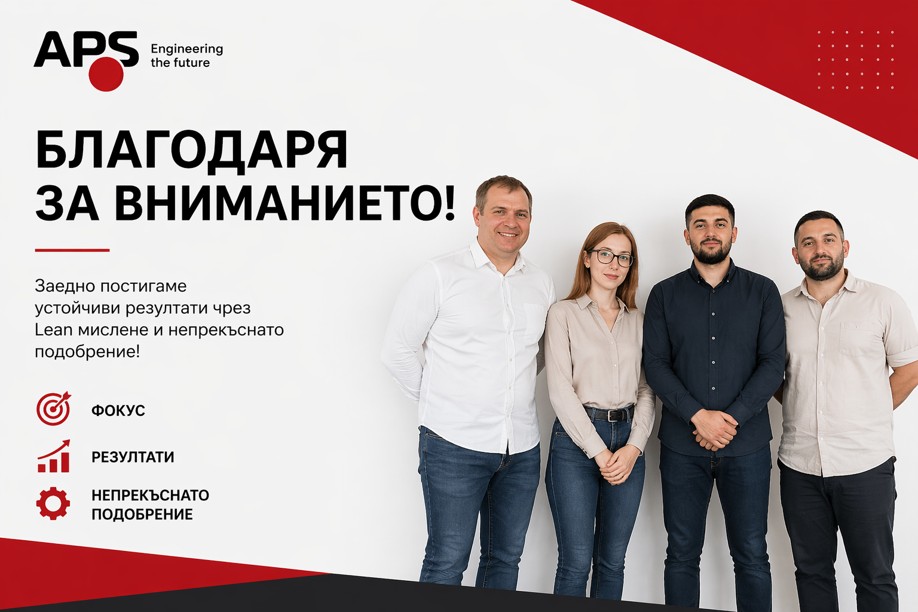
APS Trading team during Lean Champions Q1 2026
📅 Q2 2026 – Improvement Project
🎯 Goal: Reduce the time required to issue materials from the “Bravo” warehouse by optimizing material flow, improving warehouse organization and shortening the service time for internal customers. The main target is to reduce the time required to process one order from 7 hours and 24 minutes to 5 hours.
📝 Problems: Lack of standardized organization in the warehouse, excessive operator movement, difficulty locating materials, inefficient material flow and long production service times, resulting in time losses and lower productivity.
🔧 Tools Used: 5S, Kaizen, Spaghetti Diagram, Value Stream Mapping (VSM), Visual Management, Standardized Work, waste analysis, PDCA and material flow optimization.
📊 Result: The material issuing time was reduced from 7 hours and 24 minutes to 4 hours and 50 minutes, meaning the target was not only achieved but exceeded. The warehouse reorganization improved material flow, made employees' work easier and enabled faster and more efficient service to production.
📁 Presentation: Lean Champions 2026 Q2 – APS Trading
🖼️ Photo: No official team photo was provided for this project.
📅 Q3 2026 – Coming Soon
🎯 Goal: To be updated after the end of the third quarter.
📝 Problems: To be updated after the end of the third quarter.
🔧 Tools Used: To be updated after the end of the third quarter.
📊 Result: To be updated after the end of the third quarter.
📁 Presentation: To be updated after the end of the third quarter.
🖼️ Photo: To be updated after the end of the third quarter.
📅 Q4 2026 – Coming Soon
🎯 Goal: To be updated after the end of the fourth quarter.
📝 Problems: To be updated after the end of the fourth quarter.
🔧 Tools Used: To be updated after the end of the fourth quarter.
📊 Result: To be updated after the end of the fourth quarter.
📁 Presentation: To be updated after the end of the fourth quarter.
🖼️ Photo: To be updated after the end of the fourth quarter.
🔐 Contacts – Participants Only